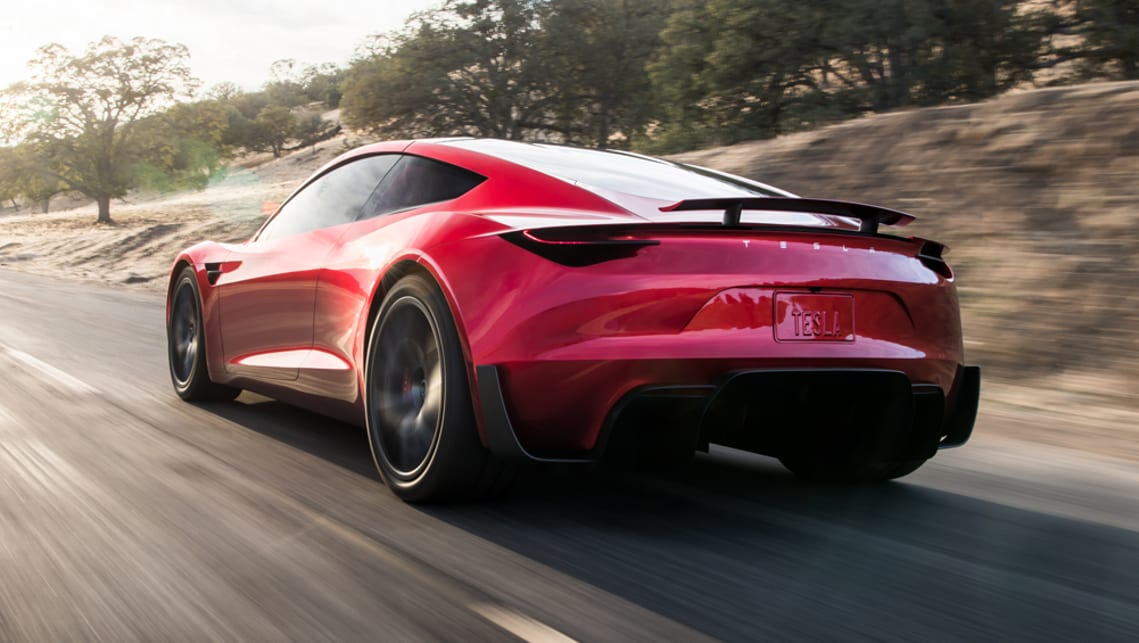
Currently, the percentage of cars that don’t use combustion engines in Australia only amounts to 1.8%. This number is staggeringly low but is it really something that we need to be concerned about? The positive effect that electric vehicles have on the environment is minimal and we have enough fuel to support our petrol/diesel engines for fifty years to come. However electric vehicles do not harm the environment directly like the petrol/diesel cars do.
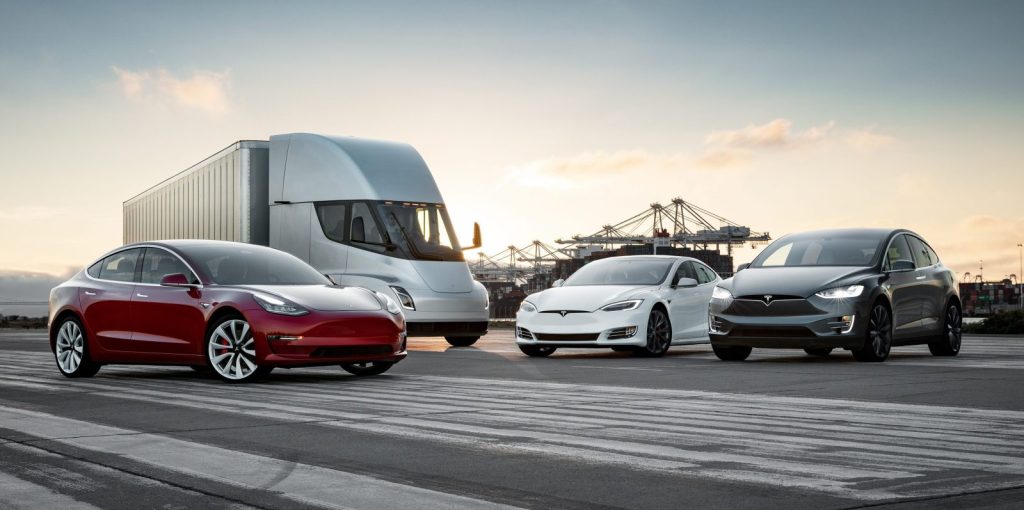
The world is becoming more aware that petrol and diesel cars are damaging the environment and most governments are supporting battery electric vehicles (BEVs) through methods such as reduced taxes or incentives. For example, the UK prime minister Boris Johnson has announced a plan to ban sales of gasoline and diesel-powered passenger cars in the U.K. beginning in 2035. Ultimately, what this does is allow for the allocation of resources that are used for making combustion engine cars towards making more BEVs, resulting in the production of petrol/diesel cars to be the opportunity cost (opportunity cost is what is sacrificed or forgone when the alternative is chosen).
Another type of car which is a possible competitor for BEVs are FCEV’s (fuel cell electric vehicles) or hydrogen cars. These cars run on the most abundant element in the universe (hyrdogen) and has only water vapour as an emission. The battery in a BEV car such as a Tesla requires a large quantity resources to make, whereas a FCEV like the Toyota Mirai only needs a very small battery to operate since it produces the electricity through hydrogen as a fuel.
However the hydrogen car isn’t succeeding because the world is lacking in infrastructure for it. There are only 44 fuel stations in all of America and 1 here in Australia. This is mainly because the technology is relatively new, investors have too many doubts and consumers find it unaffordable
Toyota Mirai Comparison to Petrol and Electric Vehicles
| Cost of Car (AUD) (Brand New) | Tank/Battery Capacity | Cost (AUD) of Full Tank/Battery | Range (km) | |
| Toyota Mirai (2019) | 90,000 | 5kg | 100 | 502 |
| Holden Cruize (2017) | 16,610 – 21,230 | 60L | 90 | 810 |
| Tesla Model 3 (2019) Standard Range Model | 67,900 | 54 kWh | 10 | 460 |
Moreover, the reason that the world is attempting to make these cars is to help the environment by reducing carbon emissions. The use of these cars however can be counterproductive. Firstly, building these cars will take a large amount of resources and if we want all passenger cars to be electric, 1 billion need to be built. Here the fundamental economic problem of scarcity is involved. Scarcity is that we have finite resources, but infinite wants. 1 billion cars worth of resources would put a huge strain on the planet’s resources and the opportunity costs of it may not be worth it.
Furthermore, to run battery powered electric cars, we need electricity obviously and to run hydrogen powered cars we need hydrogen fuel. Hydrogen fuel is made by heating natural gasses and breaking them down into hydrogen, or it is made through the electrolysis of water. The common problem in each of these processes is that the energy required to run the cars come from coal powered stations. So, essentially, we are striving to use the same technology that drove steam locomotives in the late 1800s.

A key impact on the economy if BEVs and FCEVs become a large market is the change in the oil market. Oil dependant countries can expect to see a huge decrease in oil demand. It is likely people will be more willing to purchase BEVs over both FCEVs and petrol/diesel cars because of their cost efficiency and it will be impossible for oil prices to compete against it.
Overall, hydrogen and battery electric cars do not directly help the environment, rather they serve as motivation for countries to find cleaner energy, because electric cars themselves merely use electricity that is recieved from the coal powered electrical grid and if we have clean energy why not use it on electrical cars where there are no extra emissions. Currently the whole world is reliant on coal for 40% of all energy, and if the number of electric and hydrogen cars increase, the strain on the electrical grid will rise and the electricity prices will also increase. In response governments may try and build more coal plants like Australia, who are now attempting to build another one in Collinsville costing around 2 billion dollars. Finally, unlike Australia, governments need to invest more into sustainable energy so the use of electrical vehicles will benefit the environement.
References
- Explainer: Why Asia’s biggest economies are backing hydrogen fuel cell cars – Reuters`]
- Basics | Geoscience Australia
- Power prices to fall with renewables a game-changer in the energy market – AM – ABC Radio
- Will we ever… stop driving petrol-powered cars? – BBC Future
- Musk calls hydrogen fuel cells ‘stupid,’ but tech may threaten Tesla
- Will we ever… stop driving petrol-powered cars? – BBC Future (1)
- 9309.0 – Motor Vehicle Census, Australia, 31 Jan 2019
- Why Hydrogen Cars Will Be Tesla’s Biggest Threat – YouTube
- When will fossil fuels run out? – Ecotricity
- Electric cars are here – but we’ll still need fuel for a long time
- Vehicle & Energy Incentives | Tesla Australia
- How Hydrogen Fuel Is Made – YouTube
- Electric cars are here – but we’ll still need fuel for a long time
- Holden Cruze Z-Series 2017 Price & Specs | CarsGuide
- Australia is one of the last developed countries actively considering new coal-fired power stations

 Year 11 MHS Economics 2020
Extremely well-written blog, with great use of economic concepts. Well done Dhanushka!
LikeLike
Really amazing blog Dhanushka. I would like to commend you on how you managed to educate me on such a new topic!
LikeLike