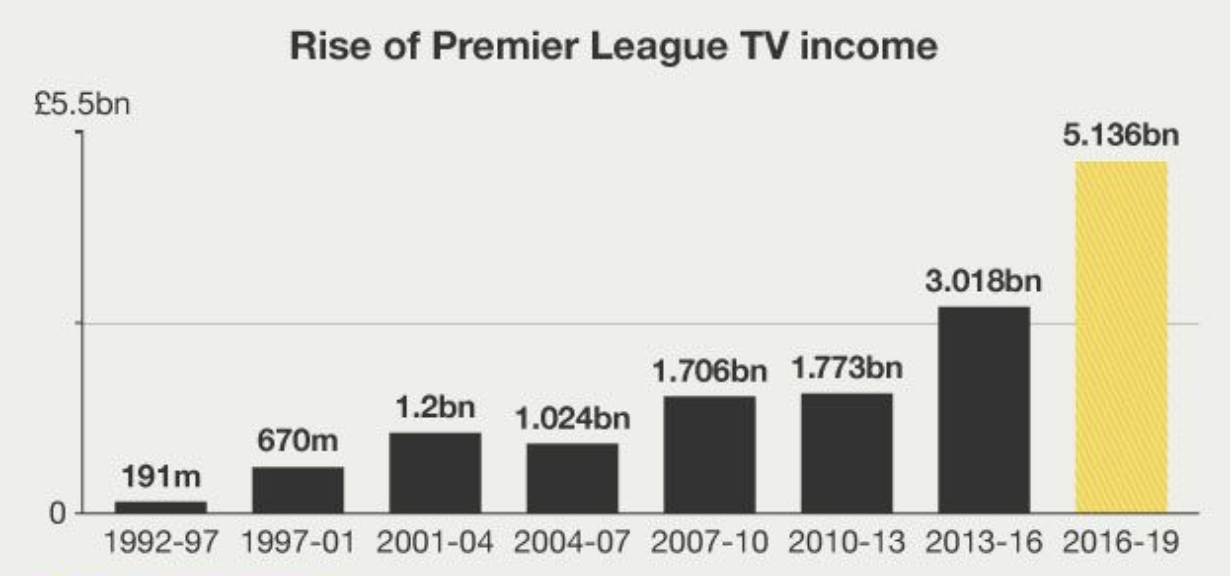
Popularity in elite football increases when television and streaming devices becomes more accessible to consumers around the world. The rapid increasing demand causes broadcasting companies’ income to skyrocket. Their income is evenly distributed within clubs in top leagues. When it increases, the wealth of clubs follows suit.
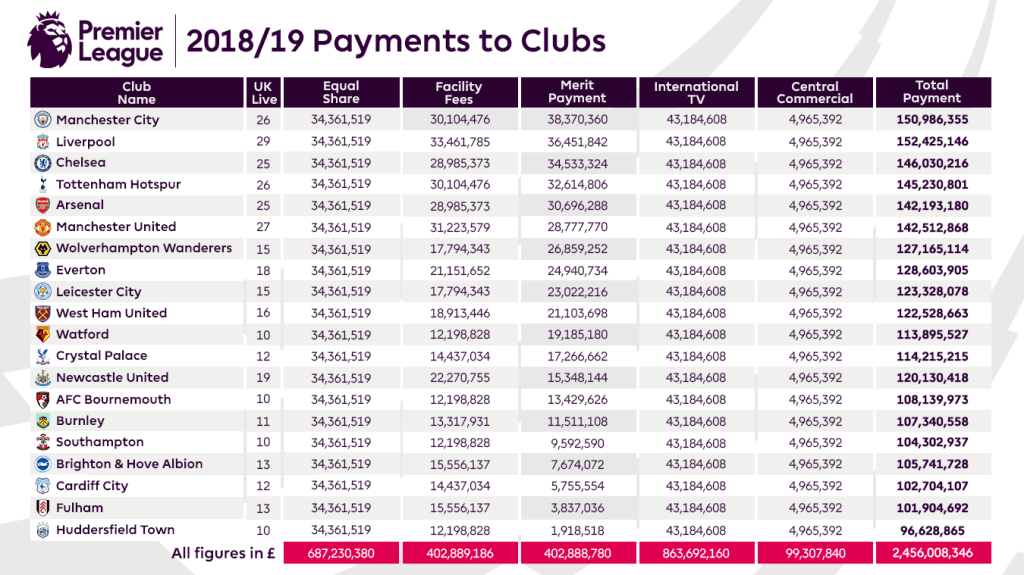
The Premier League is the most watched league in the world with a cumulative 3.2 Billion views in the 2018/19 season. Many rich enterprises uses this opportunity to gain wide exposure by advertising their products during matches. The income generated by them elevates the Prem to be by far the richest league in the world, earning nearly £2.5 Billion that season.
The Championship pales in comparison where only local broadcasters stream matches, thus attracting much less advertisers and entrepreneurs. Also, who wants to watch second division football when the elite version is so much more better and easier to accquire? The majority of consumers only wants to see the best of the best, thus viewing numbers is significantly lower, 11 Million in the 2016/17 season.

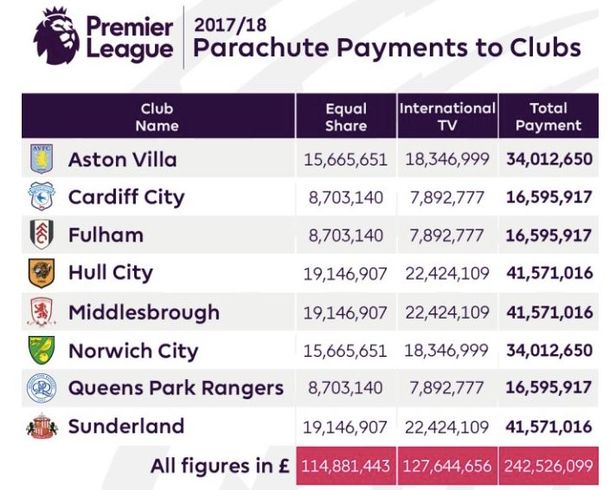
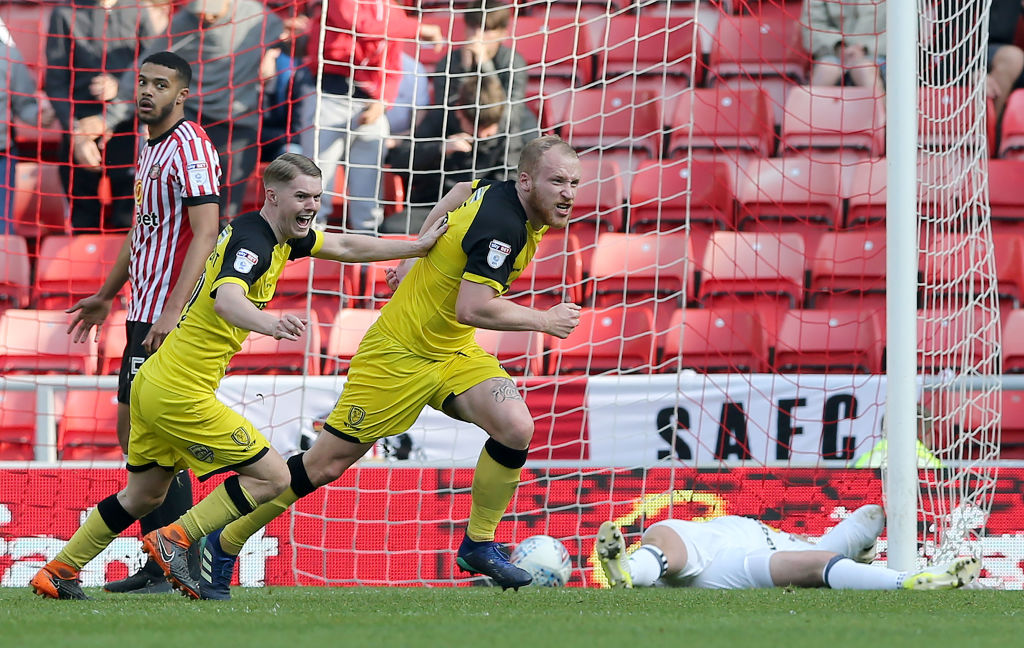
The Premier League issues ‘Parachute Payments‘ to releagted clubs which allocates a percentage of their broadcasting income over a three year period that progressively decreases from 55% to 20%. However, since the finanical gap between the top and second division is increasing exponentially, more relegated clubs are now even struggling to remain in the second division. Huddersfield was relegated from the Prem in 2018/19 and now they are 20th in the league; just two places above relegation to the third division.
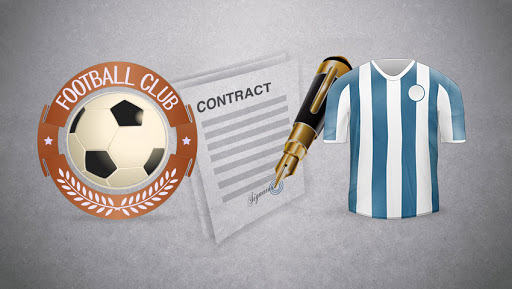
Relegation clauses are terms and conditions that allows clubs to reduce wages and price-tags of players; Who wants to purchase a player who costs too much for their actual value? and why overpay a player when you don’t even have the money to pay them?
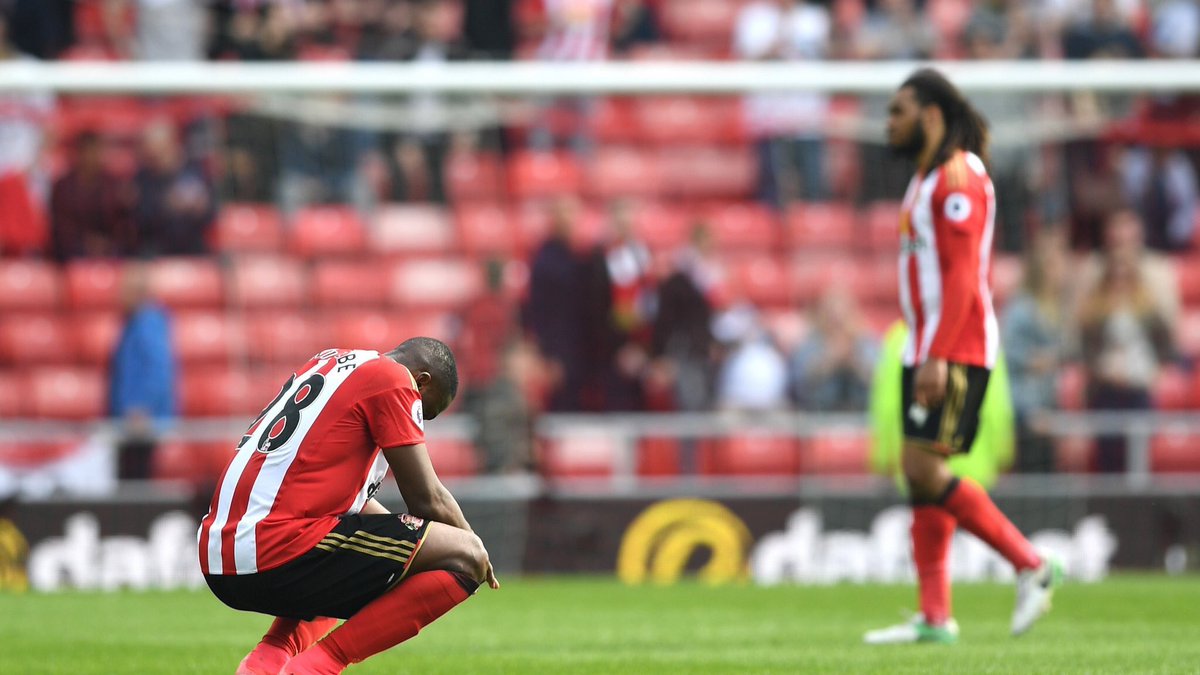
Sunderland never expect themselves to get relegated twice in a row, so they hadn’t included such clauses in their players’ contracts. This led to their star forward Jermain Defoe forced to leave the club for free, and defender Jack Rodwell was still getting paid £60,000 per-week even though the club’s net profit collapsed by 50% from £123 Million in 2017 to £63 Million in 2018.
If you think you are beaten, you are. If you think you dare not, you don’t.
If you like to win, but think you can’t, it is almost certain you won’t.
That is the quote written on a panel hanging in the changing rooms of Sunderland AFC, supposedly to motivate and discipline their players. But from that day on, the quotation became more of a humble reflection of what the club, and many others, have fallen into.
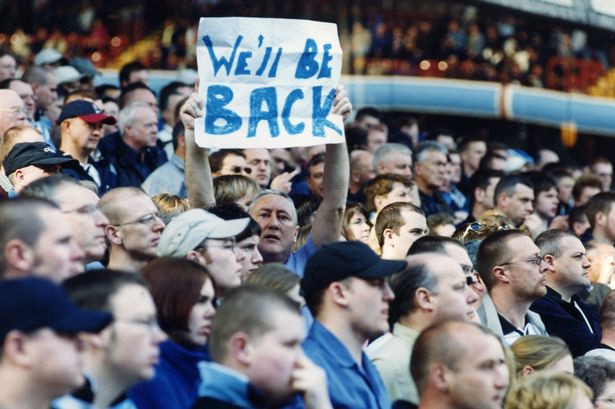

 Year 11 MHS Economics 2020
This is a relevant topic in today’s footballing world, where brand sponsorship and investment rule the game. It is astronomical how much money top-flight English teams lose/gain when they are relegated/promoted respectively. This gap in financial bliss also impacts the choices players make in terms of clubs, which could impact the competitiveness and overall excitement of the game.
LikeLiked by 1 person
a great blog, definitely attracts non-soccer fans because of the images and graphs.
LikeLiked by 1 person
Hopefully Sunderland continue their fall to the non leagues
LikeLike
Definitely surprising to see that the EPL and its teams getting this much money, never knew that it was just this high. Even with this I feel like we need to see players, such as Jermain Defoe, being given more protection and consideration in the future.
LikeLiked by 1 person