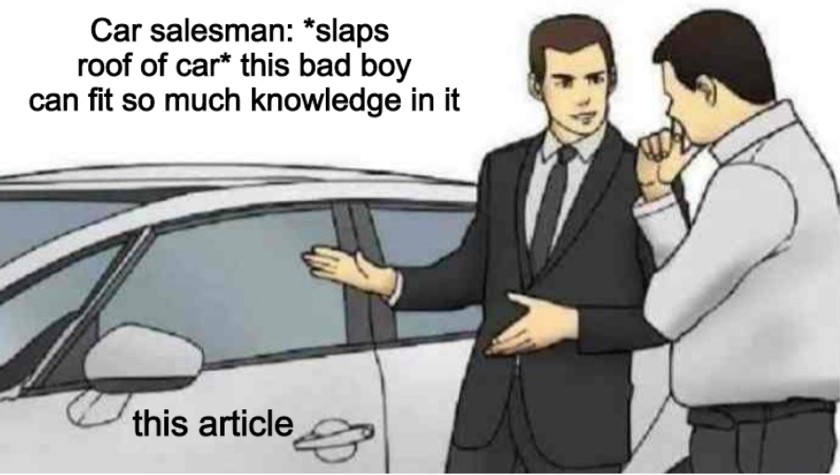
The ‘meme economy’ and how it affects the market
meme A meme is an idea, behaviour, or style that spreads by means of imitation from person to person within a culture—often with the aim of conveying a particular phenomenon, theme, or meaning represented by the meme
memetics the study of jokes/memes
how will that affect the economy?
To answer this question I will talk about a few terms including herd behavior and the attention economy
Herd behavior is a when individuals act collectively as part of a group, often making decisions as a group that they would not make as an individual.
Attention economy is the application of the economic theory in the concept of assuming that the human attention is a scarce commodity
The internet plays a huge part in our modern day economic society, with companies advertising on it, to services and products being produced solely on the internet. Once an individual has produced a meme it will gain popularity and in doing so, if it has a particular political message or a brand/service in the meme can help or negatively impact their reputation.
Brands and services use the internet because its an excellent way to get information about them out into the world. To put this into perspective about 45% of the worlds population uses social media and 71% of consumers who are happy with customer service on social media are more likely to recommend that brand to others. With all these statistics it makes sense for brands to advertise and maintain a presence online, especially on social media. All for the sake of grabbing someone’s attention (the attention economy)… Social media is where the magic happens, memes are created solely for spreading on social media to gain likes or comments that in turn other people share and gaining tons of viewers, even if they don’t even particularly like the meme, they just go through the experience of herd behaviour, to want to be a part of the online social group, exactly what brands want… or do they?
You would think “well its a good thing for brands isn’t it?”, they hop on trends and incorporate memes into their own products or advertising and they will gain a lot of attention (this is also known as trend jacking) right?
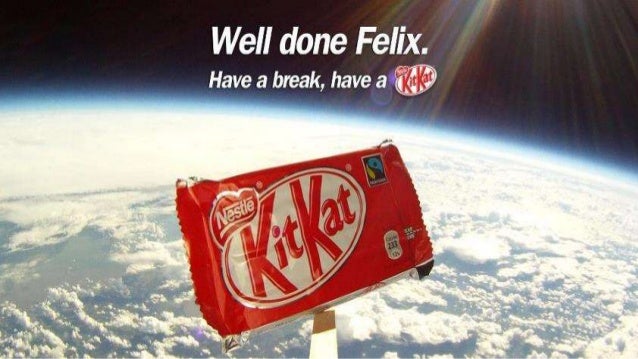
Well yeah, however there is much more going on, not everyone thinks they way like millennial’s or gen z’s. While we may think a meme is funny and spread it around, all the while making merchandise (which is also another addition to the economy with the result of memes) which a lot of people buy to be ‘hip’ or with the times. There is also the average consumer, someone who doesn’t follow internet trends and may get the wrong impression or be mislead from memes. An instance is where brands are unwillingly subject to being “memed” and it may not be a good thing for their reputation. An example is the tide pods meme,
A meme which originated from what was believed to be the relatable aspect of thinking that tide pods look good to eat. The meme blew up and people all around the world were making their own renditions of the meme such as hotpockets tide pods edition among many others.

This ultimately lead to people actually trying to eat the dish washing pod and calling it a “challenge” which was a massive health risk but there were also unfortunate cases of people who ate the pods by accident and resulted in multiple cases of hospitalisation and even death. This gave everyone a negative connotation of the tide pods brand even though they knew it wasn’t the brands fault, but whenever they went shopping it was always in the back of their head so they look for alternatives, which ultimately lead to the decline of Tide shares.
Memes aren’t always detrimental issue that kids on the internet laugh about. They can have a good cause as well like #teamtrees, its a cause that was adopted by the youtubers Mark rober and Mr beast. they had the goal of planting 20 million trees from the 25th of October 2019 to the start of 2020. They fund raised from the internet and teamed up with the Arbor-day foundation which was the largest non-profit organisation for the the preservation of trees. It became a meme and everyone happened to support it, many brands and celebrities donated a lot of money for the planting of trees. It garnered a lot of attention for the fact that donating even just $1 planted a tree.
We have explored a lot of why memes are important, or why and how they affect our economy. They function as an economy, They are made into merchandise or products which help they economy as well, brands and businesses implement memes in the use of the attention economy race. They can heavily impact brands and businesses as well if the memes provide negative connotations. And ultimately they can also help the world around us with great causes such as #teamtrees.
Extra reading/viewing:
https://www.theatlantic.com/technology/archive/2017/12/a-unified-theory-of-meme-death/546866/
https://qz.com/98677/why-youll-share-this-story-the-new-science-of-memes/
https://www.youtube.com/channel/UCY1kMZp36IQSyNx_9h4mpCg (mark rober, science engineering guy, cool videos)
Bibliography:
https://www.invespcro.com › blog › effectiveness-online-advertising
https://www.theatlantic.com/technology/archive/2018/05/memes-are-becoming-harder-to-monetize/561578/
https://www.invespcro.com/blog/effectiveness-online-advertising/ (had sources in a picture so had to link the website)

 Year 11 MHS Economics 2020
The article has given me a bigger insight into the meme economy, send some juicy memes my way!
LikeLike
good memes
LikeLike
good memes preet
LikeLiked by 1 person
an interesting application of economic theory here
LikeLike
Fascinating and unique topic
LikeLiked by 1 person