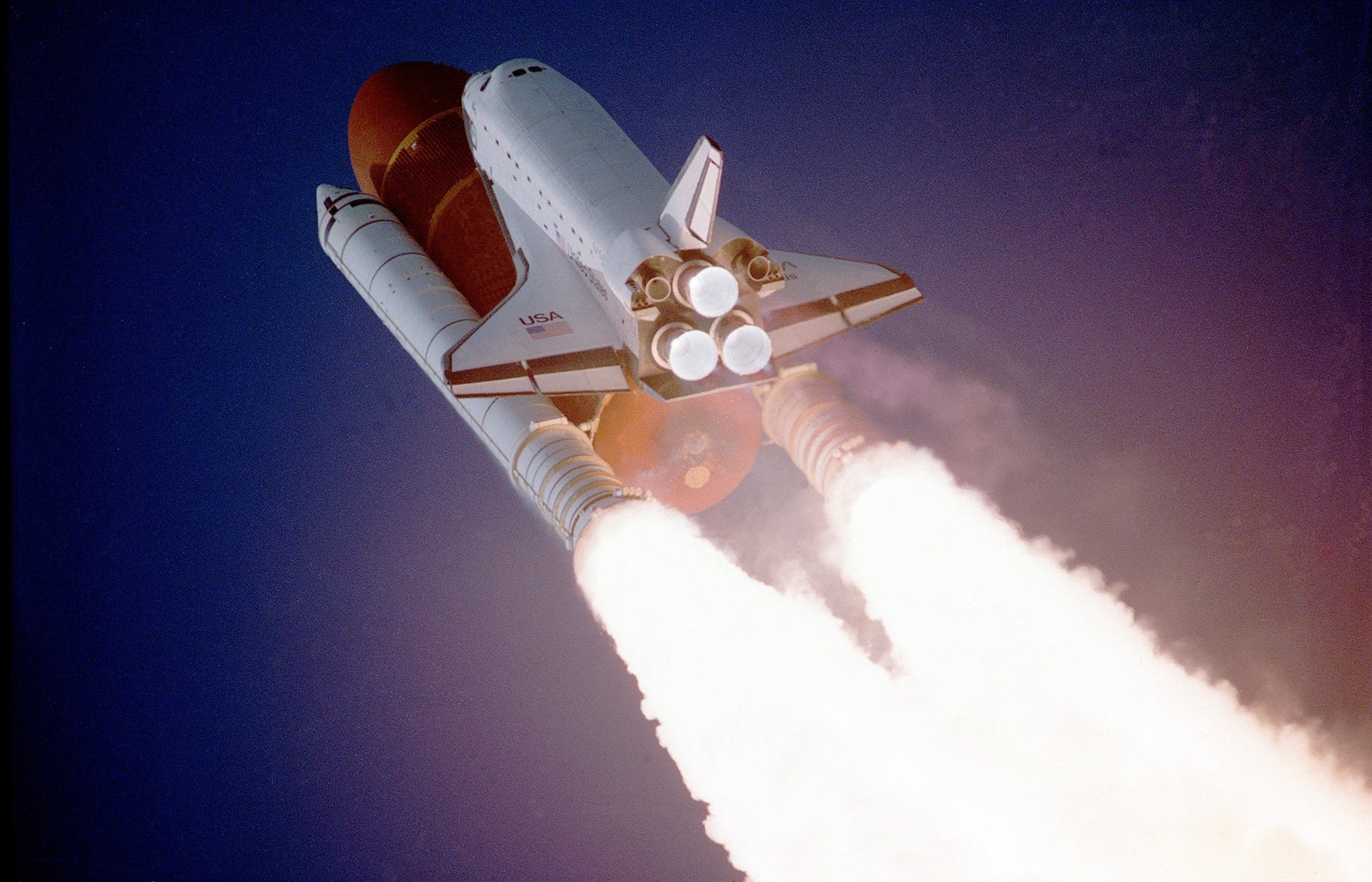
Since its founding in 2002, SpaceX has been working toward the goal of making space travel cheaper and accessible to would-be space travellers, and in 2 years, they are planning to send to four space “tourists” into orbit from Cape Canaveral, and will be spending five days in space in the international space station. Furthermore, SpaceX will be the first private company to send astronauts there, making it a big milestone for space travel. Although, SpaceX’s founder and chief engineer, is not satisfied with the current rate of space travel, wants to take it further, by creating reusable rockets that can travel between cities across the world within 30 minutes. Which begs the question? Is commercial space travel the next step in transport? And how soon will private companies be able to access this technology?
If and when this technology becomes accessible, then companies would drastically be able to increase their production, by being able to transport goods a lot faster than before. The same goes for consumers and online shopping, as delivery times would be cut down by almost half. For example car companies, such as Toyota can ship parts across the world a lot faster with this new technology, increasing their production, therefore increasing their profits. Another big aspect that could be capitalised on is Space Tourism. A lot of new emerging companies or even existing ones could invest in commercial rockets to allow for tourists to pay for an experience in outer space. Overall, the speed and efficiency in various markets will greatly increase if this technology is made available to the global economy.
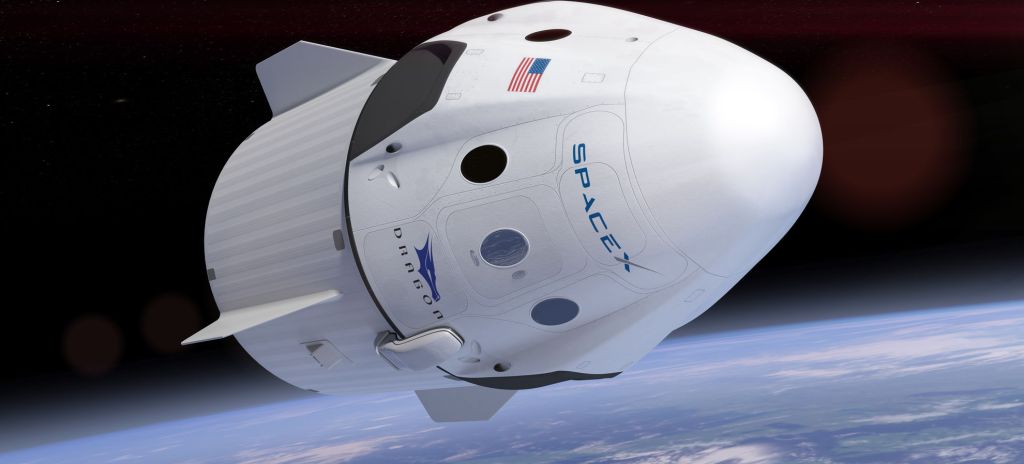
But the main question everyone is asking, is how will this affect everyday consumers? In terms of convenience and accessibility, a lot more you think. For example, as stated earlier, SpaceX is allowing for 4 space “tourists” to orbit the Earth in their Crew Dragon Capsule in two years, which completely flips our view of space travel (to find out more about this, visit htps://www.cnbc.com/2020/02/18/spacex-will-fly-4-space-tourists-on-crew-dragon-to-orbit.html). Of course people who are trained astronauts will be the ones who will go on ground breaking missions and explore the boundaries of space travel, but a common person’s dream of going to the moon, doesn’t have to be a dream any longer. Vacation and travel will also never be the same, as a family vacation could be a 30 minute rocket ride to Milan instead of a 12 hour flight!
In Conclusion, commercialised space travel and private rockets will have a fairly big impact on stakeholders, especially in terms of travel and tourism industry. But some holes in this technology are, how will this technology be monitored what is the cap on how many rockets a company can own. Additionally, with both planes and rockets in the air, how will they both be monitored to avoid collision’s, and how much longer, before a person can travel half the world in an hour?

 Year 11 MHS Economics 2020