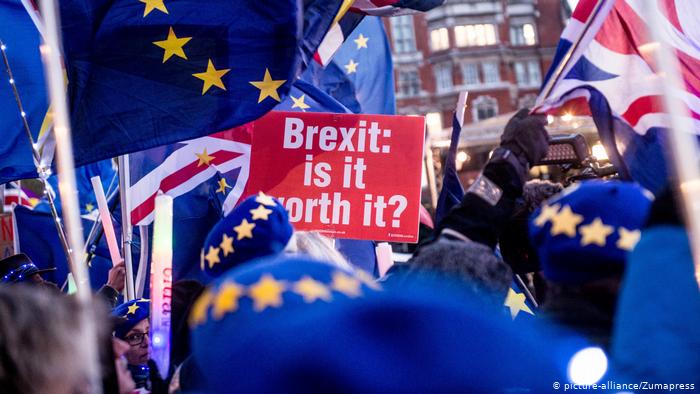
After years of political talk, Brexit has finally happened. But what happens next and how will this affect the world?
Currently, talks of trade deals between the UK and the EU are in progress, but speculators are in full force. Some think that the British economy will have long term benefits while others think that it is the beginning of another recession. Both are mostly backed with evidence but overall, the world and the UK’s economy will most likely be worse off than before, though not by much.
Some background of the EU
The European Union was created on the 1st of November, after the fall of the Soviet Union created many new states with weak economies. It aimed to promote trade and positive relationships within the region through several policies and changes. These include:
- Open borders
- Elimination of tariffs
- Standardised laws
- The Euro
UK in the EU
The UK’s economy has been greatly influenced by the EU, mostly in a positive way. The EU’s removal of all tariffs on imports and exports within its member states has increased the amount of trade between the UK and Europe considerably. Sky News claims that 50% of the UK’s exports go to EU, largely due to this trade agreement and companies being able to benefit from both stability and access to European economies while setting offices up in the UK. Moreover, the EU has established trade agreements with Canada, Japan, Switzerland and Norway which the UK must re-establish deals with. Open borders between the UK and European countries also increase the working population in the economy, providing extra labour resources, tax revenue and GDP from spending.
Despite this, why is the UK still leaving the EU?
One major reason is that being an independent state gives the UK parliament more freedom to pass their own laws, especially in terms of immigration and their borders. Some argue that preventing foreigners from working in the UK increases the amount of jobs for the British people, along with higher wages due to the supply of workers being lower. Moreover, the UK has to pay 8.5 billion pounds in membership fees to the EU which may be worth even more than the benefits they are getting from being a member.
How will this affect the British people?
The main impact of Brexit regarding the people is with jobs. On the surface, it may seem that the number of jobs and their wages will improve as mentioned above. However, the economic impact of Brexit will leave a greater effect on jobs than immigration. The lack of interconnection between the UK and Europe will no longer make the island nation a trade centre between Europe and the rest of the world. This leads to large companies moving their European offices to other parts of the continent, not only reducing the number of jobs in the UK, but also tax revenue which those companies would have paid to the government. Due to the circular flow of income, companies who do remain in the UK and are forced to pay tariffs when trading with overseas partners will have less to pay workers, weakening the economy as a whole. Moreover, the price of goods will increase as import tariffs make overseas goods more expensive to buy.
However, there are some pros which come with the cons. The first is that local businesses may prosper as international companies will find it harder to operate in the UK. Moreover, the UK government saving 8.5 billion pounds on the EU membership fee will give it money to input back into the economy and businesses.
Overall, the British people will be negatively impacted by Brexit, especially those working in international companies who may lose their jobs. However, the UK has proved itself to be a prosperous and highly stable nation in the past and will most likely recover from any losses from Brexit.
How will this affect the rest of the world?
Brexit’s effect on the world is less direct but comes in the form of instability. Stability is key when developing a good economy because people are much less likely to invest or create a business when the future of the economy is looking bad. Currently, people are still unsure of what impacts Brexit will have and will be less willing start-up a new business or expand their existing one as they may be forced to change it when new policies are set up. This halts the creation of potential jobs and economic growth in economies all around the world.
On the other hand, Australia may actually benefit from Brexit as the disincentives for trade between the UK and EU may make companies look at Australia as an alternative instead. However, economists believe that the general negative impact which Brexit has on the world economy will outweigh these benefits
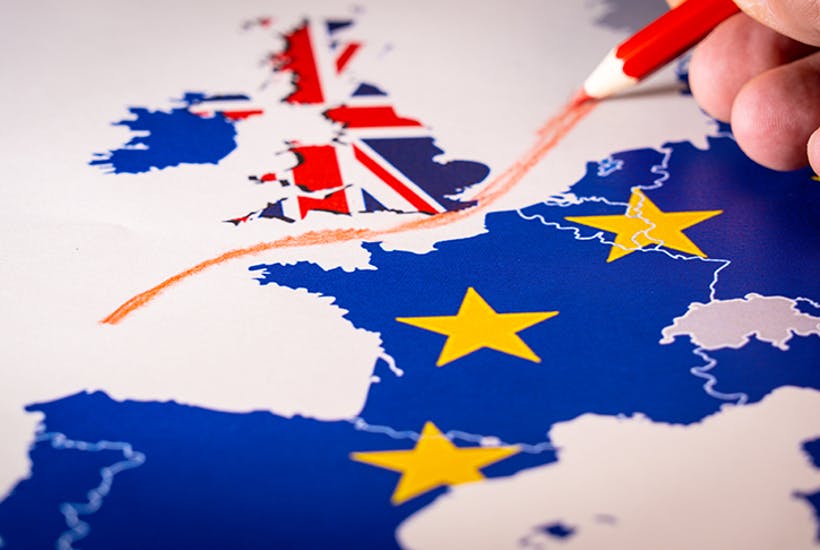
Overall, the impact of Brexit and UK on the world will most likely not be positive, with both households and businesses losing out. However, its impacts will not be drastic, and the economy will probably not see any long-term effects.
Bibliography:
https://www.thebalance.com/what-is-the-european-union-how-it-works-and-history-3306356
https://www.canstar.com.au/news-articles/what-is-brexit/
https://www.theweek.co.uk/brexit-0
http://www.internationalaffairs.org.au/brexit-and-australia-the-way-forward/.

 Year 11 MHS Economics 2020
A very insightful article on Brexit.
LikeLike