
Covid-19 or the Coronavirus, is not new news to anyone. The virus has dominated media coverage, causing widespread fear and angst, headlines such as “The deadly new Coronavirus is starting to spread in the US. Here’s how to protect yourself”, examples of the multitude of creative article titles currently sweeping the internet. Upon reading articles like these I began to question are these sources really accurate and how will the virus’ perception due to this sort of media impact our national economy?
According to organisations such as the WHO (World Health Organisation) the prolific spread of this type of information, may not be as unconcerning as one might think. In a statement to the media Andrew Pattison (Digital Business Solutions Manager) from the WHO, declared the spread of fake news on COVID-19 an “infodemic”, stating that false information on the outbreak was “spreading faster than the virus”. At the root of these concerns, were claims such as “garlic cures the coronavirus” and “the virus spreads through eating bat soup”, which seemed to sweep the internet, completely unsupported by scientific evidence. However, why does this matter to economics and why does any of this matter to our economy?
The effect of the COVID-19 “infodemic”, begins at the foundation level of our economy and the basic economic questions of, “what to produce, how to produce it and for whom to produce?” As an economy primarily dictated by consumer demand, do we direct our resources towards producing products such as face masks that have absolutely no impact on the containment of the virus, in order to satisfy the public outcry for COVID-19 “solutions”, that fake news sources seems to offer on a platter?
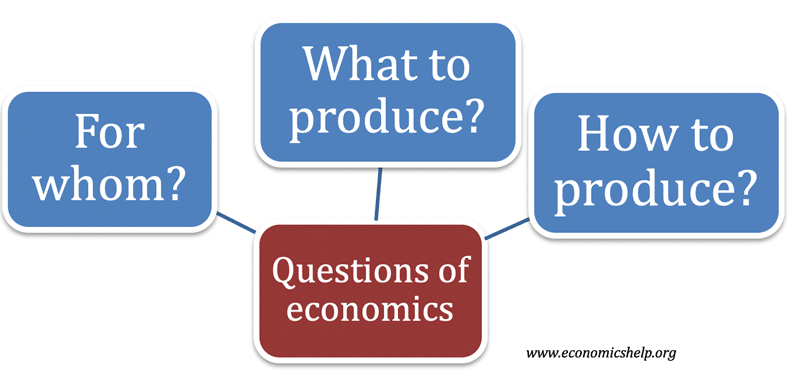
How then based on these economic questions do we decide resource allocation? How does an economy best allocate resources to meet fear fuelled consumer demand whilst also focusing on other pressing issues such as the ramifications of the bushfire crisis?

In addition, how are the basic economic questions and resource allocation addressed as the the result of the COVID-19 “infodemic”, juggled in tandem with the raw cost to the economy? Research conducted by UBS Australia’s share analysts and economists has found that whilst China is most adversely affected, the Australian economy presently stands to lose up to one billion dollars worth of service exports, to its vital trading partner. This is stacked on top of other losses, with Australian companies such as Qantas expecting to lose up to 500 million dollars.
The COVID-19 “infodemic” is a phenomenon created as a result of the rapid outbreak of false information. Posing significant risk to the Australian economy it begs the question “how will it continue to impact us and what are our potential solutions?”

 Year 11 MHS Economics 2020
The media plays a very large role in public awareness and attitudes toward certain issues! Consumer demand shifts radically as so-called ‘cures and easy solutions’ drive their way into people’s newsfeeds. Another effect of this fear-mongering is investor’s ‘bearish’ tendencies in the stock market (i.e. they are likely to sell and save rather than invest in what they think will be a failing economy).
LikeLike