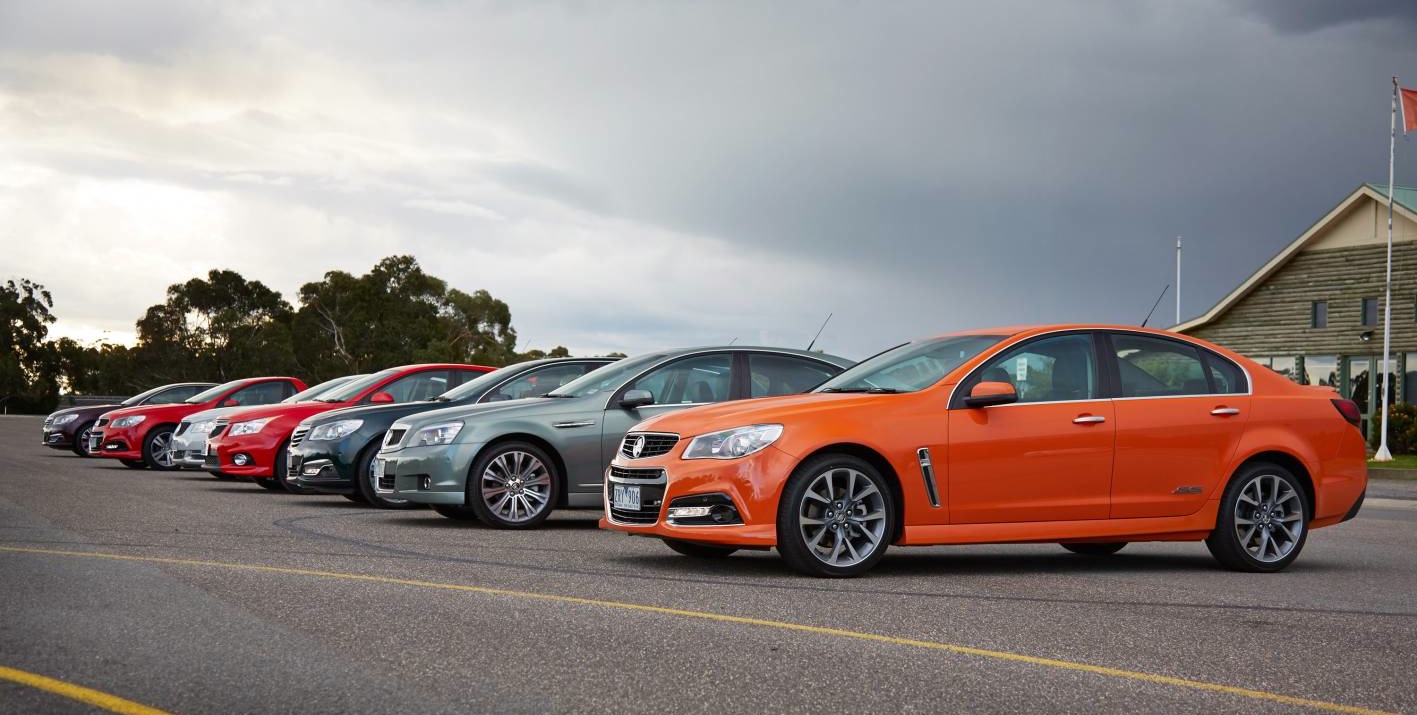
Since the end of the Second World War, Australians have shared a similar vision regarding the future of their lives. It was then when the “Australian Dream” was born. This term often meant owning your home (which is becoming increasingly difficult) and owning that car – the Holden. A true blue, Aussie icon. Nothing showed patriotism to the land down under like a Holden and for many years, this dream was alive. In recent affairs, however, it seems that this dream will become a memory, as Holden’s doors are set to close and drive away by the end of 2020. Over 2 billion dollars was pumped into the company to keep it going, and the government and taxpayers have been left feeling cheated as the company’s once thriving engine sputtered and died.
On February 17th, General Motors (Holden’s parent company), announced that after 164 years of Australian service, it was finally time for Holden to retire. The announcement came as a shock to the public as the company had received over $2.1 billion in subsidies in the last ten years and there was no warning of such an event taking place prior to the announcement. Holden, however, had been struggling to sell cars since 1980, as Australia’s car manufacturing industry couldn’t keep up with other international
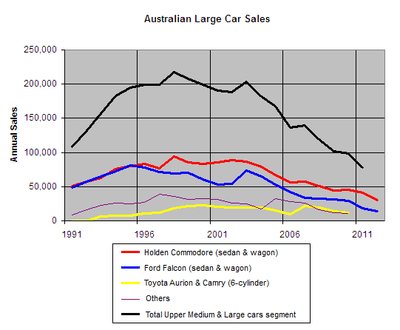
competitor companies (e.g. China). Holden suffered to contend for many decades, taking an especially big hit in 2006, where profits decreased by $290 million.
Australia’s car industry is difficult for any company to survive in, as the country is home to more car brands than countries like the US and UK. Because of this variety, no company can depend on the Australian car industry to survive anymore. Despite this, PM Scott Morrison stated: “[General Motors] let the brand just wither away”. The PM also expressed a strong disappoint, as he explicitly stated: “Australian taxpayers put millions into this… I’m disappointed”. Morrison’s views are shared with by millions of Australians, as the massive subsidies Holden was given didn’t appear to extend the company’s lifetime any further.
The impacts of Holden’s closure will primarily result in the loss of 600 of 800 jobs previously offered by the company. This will most likely put a large portion of workers in long time unemployment as a University of Adelaide study stated in regard to the closure
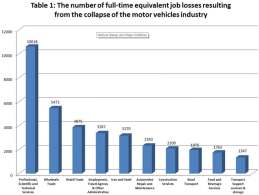
of Mitsubishi: “We know that a high proportion of workers go on to be long-time unemployed”. The subsidies which were invested in keeping the company afloat didn’t produce a worthy result for taxpayers, which raises the question to why Holden accepted the supports despite knowing they were doomed to fail. This will result in a negative impact for the economy, as a large sum of money was invested into a company with no return. The fall of Holden was mighty and unexpected, and shows the implications of an advancing and internationally influenced economy on Australian brands. Despite the difficulty to survive, the wasted subsidies will always be frustrating for taxpayers as funds could have been allocated to hopeful and promising organisations – not a “withering” company. I personally feel that my opinion is similar to Scott Morrison’s, as the company allowed an opportunity for revival to go to waste.
References:

 Year 11 MHS Economics 2020
I liked the graphs you added they made your piece much more understandable. Good job Timothy!
LikeLike
Very insightful Timothy, and I love you so much.
mwah x
LikeLike
A pressing issue for sure, one wonders what the future of the Australian motor industry will look like.
LikeLike