The CEO of Solaris Paper, the company that owns the Sorbent toilet paper brand, has expressed approval of the decision by supermarkets and retailers to limit customer purchases of toilet paper during this period of resource stockpiling, in order to minimise any long-term shortages.
Chief Executive Officer Paul Tonkin disclosed that Solaris had built up its supplies from last month after being informed by affiliate companies in Asia of the possibility of shortages of key hygiene products, and was prepared for spikes in demand from Australian shoppers.

There is no need to panic however, Tonkin added. Solaris’s two factories in Australia as well as sturdy supply chains into New Zealand and Canada have protected the company from the slowed pulp shipments from China and other Asian countries.
“It is quite incredible to be frank, but we did see this bubbling a few weeks ago up in Asia so we had a bit of an eye on it and we were at least prepared as we amped up some of our production pre-emptively,” Mr Tonkin said. “But what has happened so far is unprecedented.”
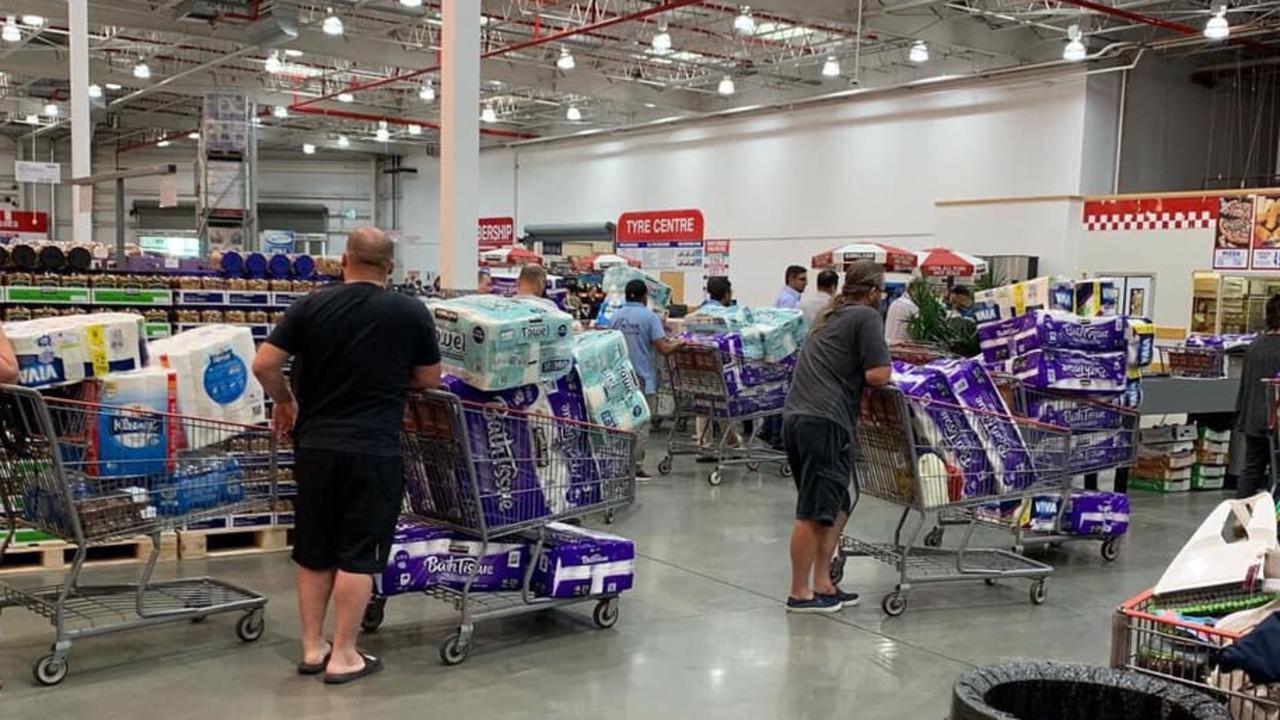
Panic buying of personal hygiene products including toilet paper, hand towels has left supermarket shelves completely depleted as terror over the pandemic reaches fever pitch. Woolworths was the first major supermarket to introduce limits on customer purchases following shelves being stripped bare of sanitary products. Huge demand has been placed on suppliers, with Solaris warning on Wednesday that the panic buying could threaten supplies.
There are a variety of stakeholders in this current scenario: manufactures, retailers and customers. The fear of the customers is that curfews will leave them stranded at home ,while they slowly run out of sanitary products. Consequently, there is a strain on retailers to meet this increased demand by selling more of the desired good, in this case toilet paper. The retailers then require the manufacturers to increase production of said good in accordance with its increased demand.
Solaris released the statement: “Concerns over the coronavirus contagion have resulted in widespread panic buying.” In accordance with the principle of consumer sovereignty, sanitary companies have directed the majority of their resources towards the production of toilet paper. “Whilst Sorbent Paper is working to build and manage demand, its ability to maintain ample supply of its tissue products such as toilet paper, facial tissues, paper towel and wipes to its retailers will be entirely dependent on consumer off-take volumes.”
“Some products may see supply replenished, however any sustained panic buying in the volumes seen in recent days will be certain to stress supply. Stock shortage with allocations may in some cases be necessary,” Solaris concluded.
Australians are the latest group to respond to toilet paper fears by buying toilet paper en masse. The hoarding of sanitary goods continues despite authorities stressing there is an extremely low possibility of shortage seeing as most of the nation’s rolls are made locally.
Supermarkets themselves have become a safety hazard with police being called to a dispute after a knife was pulled during an argument between frenzied shoppers.

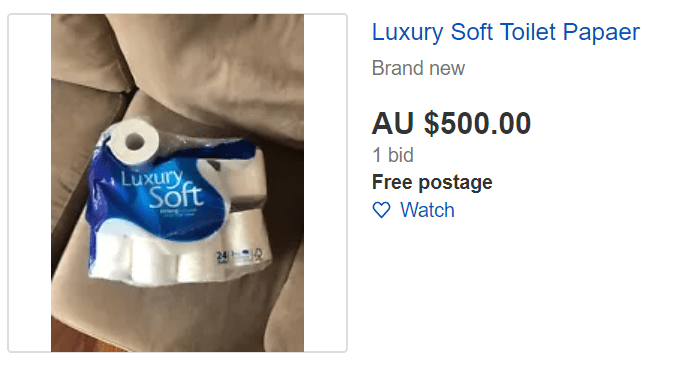
Opportunistic entrepreneurs have taken advantage of the unprecedented demand and are enticing people to part with hundreds of their hard earned dollars in exchange for a few rolls of those precious white squares. Radio stations are increasing their viewership by hosting raffles to win packs of 3-ply loo roll.
There are a number of behavioural economic insights that can explain some of the behaviour currently being displayed by consumers. Firstly, bounded rationality: consumers do not have access to perfect information. People have no idea how for and quickly the virus will spread, and whether or not the government will resort to a curfew to stop its deadly contagion. As a result customers are stockpiling goods, not dissimilar to squirrels collecting nuts for the winter.
Secondly, the panic buying can be described as heard behaviour. Initially, only those who genuinely feared the possibility a nationwide curfew were stripping the shelves bare. Next, those who were more skeptical of the possibility of a city wide lock-down are unable to purchase essential items such as toilet which everyone needs, so they are left with no choice but to also stock up or else they themselves will run out of toilet paper. There is also the group of people who simply assume that the masses know better than them, so if everyone else is stockpiling it must be a good idea for them as well.
The Nash equilibrium describes the current crisis quite accurately; there are two possible scenarios. In the first, everyone acts normally and buys toilet paper as they need it, as there is no benefit in stockpiling toilet paper seeinh it is continuously available, therefore no one stockpiles. The second scenario -the current one faced by consumers- is that everyone is stockpiling. Suddenly toilet paper is no longer continuously available and there is no guarantee of its availability when you next visit the store, as a result everyone is forced to buy as much toilet paper as they can during the rare occasion when it is available.
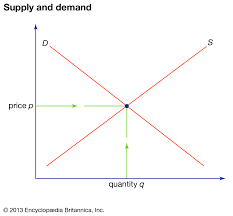
There are two solutions that can revert the situation to how it is normally: a market mechanism – increasing the cost of the toilet paper to reduce demand (according to the supply/demand curve), or to the ration the commodity by introducing limits on the number of units a consumer can buy, a form of intervention known as a smack. The latter is preferable given the first would likely meet with outraged backlash, and supermarkets have already placed limits on the number of rolls people can purchase.
In conclusion, this panic buying of sanitary products is likely just the beginning of what may soon become a nationwide shortage. In England, supermarkets have seen their entire stock depleted, not just that of toilet paper. As fears continue to escalate amid the ever increasing advancement of COVID-19 around the globe, it is hard to imagine Australia not seeing the same fate befall its retailers, both local and industry based.
Sources:
https://www.bbc.com/news/world-australia-51731422

 Year 11 MHS Economics 2020
Great writing Stephan! An interesting and unique insight on this topic!
LikeLike