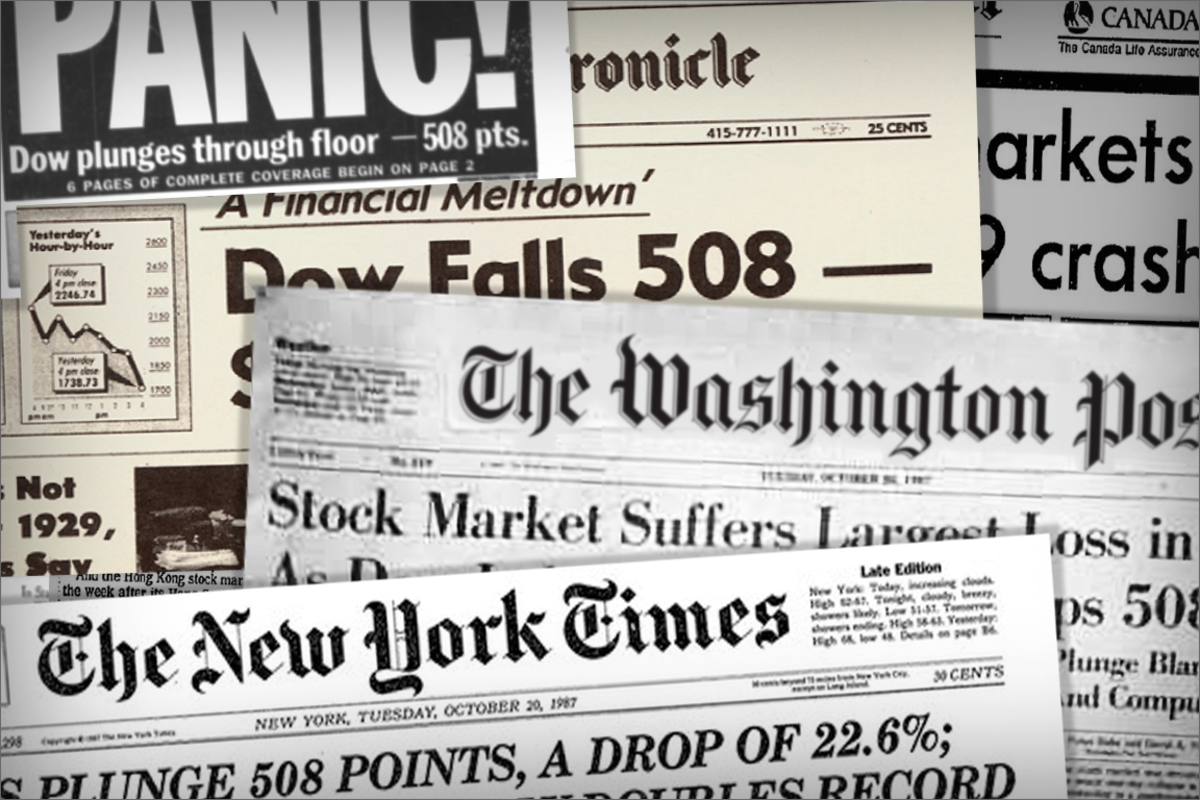
The most powerful country in the world is the United States of America. It has the world’s largest economy with a GDP of $19.4 billion and the largest military budget of $610 billion (USD). As a result, many countries are dependent on the USA. For example, a country like Australia is highly reliant on America for its trade and investments. The combined investment relationship between the US and Australia is worth more than A$1.47 trillion, without America it would be extremely difficult for Australia to sustain its economic standing. Therefore, changes in the American market would affect other countries as well. Some of these changes are the major stock market crashes of 1929 and 2008.
The Stock Market Crash of 1929
The first major crash that the Dow Jones felt was the 1929 crash. The 1920’s was a decade of intense political economic and social growth and change in the whole world, the war had come to an end and people were recovering fast. However, ‘the roaring twenties’ ended abruptly with the 1929 crash. It was caused by overconfidence in investors. Buying stocks had become almost like a hobby for majority the population in America, people saw it as a way to find easy money. The increased demand then increased the share prices and this brought more and more people into the share market. With this much money being fed into companies, they invested more into resources and increased production by large amounts. This optimism however created an oversupply of goods in many different markets. This caused numerous companies to make large losses and the share market began a downward spiral. With companies having to reduce supply they had to fire workers resulting in mass unemployment which significantly reduced consumer spending.
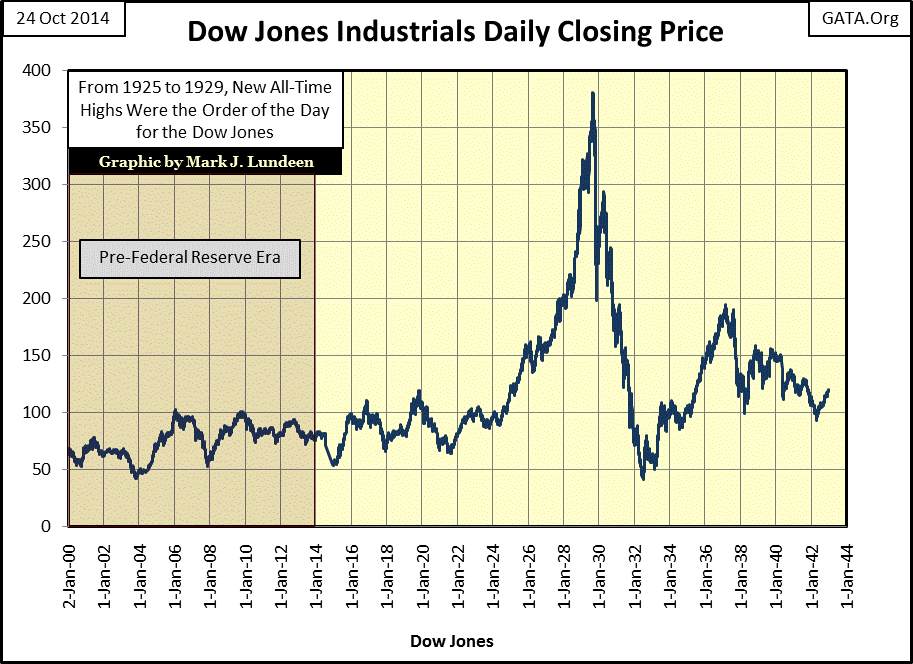
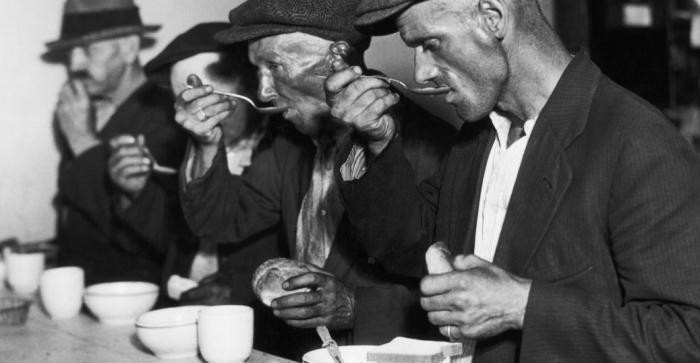
The effects of this crash were what started the great depression. The great depression lasted until 1939 was a time of unemployment, poverty, hyperinflation and suffering. For countries like Germany it was especially bad. Germany was still recovering from the war and had the bill of war reparations from the likes of France, the UK and America to pay. The whole world was deeply affected by the great depression.
The Global Financial Crisis (2008)
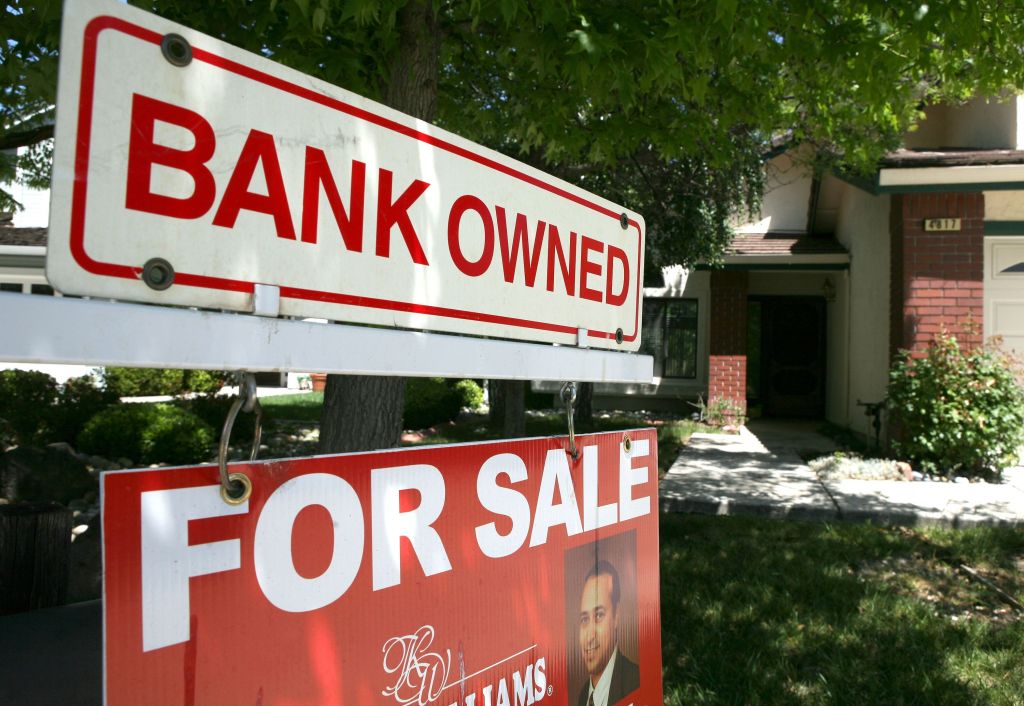
The cause of the global financial crisis in 2009 stems back to the solution that the American government offered to the dot-com bubble. To keep a recession away, the American government reduced the federal funds rate from 6.5% in May 2000 to 1.75% in December 2001. The federal funds rate is the interest that banks charge other banks for lending them money. Therefore, a lowered federal funds rate meant that banks would lower the interest rates they have on mortgages or other loans for their customers. A lot of these mortgages were bundled up into mortgage backed securities. Mortgage backed securities are a financial product for investors. They allow investors to benefit from the mortgage business without having to buy or sell a home loan. Investors earn money through the monthly mortgage payments. Buying in mortgage backed securities was viewed as low risk and high in reward because the house prices were rising fast. The increased demand in these shares had banks in search of more mortgages to give out, in response the banks started lending loans to subprime borrowers. A subprime borrower is a person who is likely to default (inability to pay for mortgage means that the bank then owns the home). The problems started to occur when the federal government started to raise interest rates to a high of 5.25% in 2006. This increase meant that banks also increased the loans on their mortgages, this caused many of the subprime homeowners to default because they couldn’t afford to pay for the increased price of their mortgage. The banks then had countless homes under their ownership now for sale. The demand for homes had decreased and with the increased number homes the prices of homes in America started to fall fast. With the decrease in home price some people also found that the value of their home was considerably less than the price of their mortgage, some then stopped paying because of this and this pulled house prices down further. Consequently, in 2007 subprime lenders began filing for bankruptcy because they had homes but no one to sell them to and during February and March 2007, more than 25 subprime lenders had filed. Then big companies like the Lehman Brothers declared bankruptcy and stock markets crashed all over the world.
Therefore, through these significant historical events, it is evident that whenever something happens to the Dow Jones the rest of the world will be involved. All in all, the lessons from these events are now being used by economists to prevent situations like these from ever occurring again and if they do occur to recover from them, for instance, knowledge from previous financial crises will help in the recovery of economies from the coronavirus outbreak.
Bibliography

 Year 11 MHS Economics 2020
Very insightful history about the great recession! Great work!
LikeLike
Very interesting Dhanushka! A lot of information on the great recession, I wonder how much the American stock market would continue to recede this year because of the COVID-19 that has emerged.
LikeLike