
The Designer Fashion Industry
People worldwide are demanding for more designer/luxury clothes, with an average of $200 billion in sales per year. Designer clothes are usually worn by people that are wealthy can be seen in designer brands. Consumers are not just attracted to the brand’s history, they mainly focus on the reputation, tradition and status when purchasing from the brand. Nowadays we see people of all ages adapting to new trends and displaying a sense of fashion.
Designer clothes – Designer clothing is expensive luxury clothing considered to be high quality and haute couture for the general public, made by, or carrying the label of, a well-known fashion designer.
Fashion – A popular or the latest style of clothing, hair, decoration, or behaviour.

What leads to the purchase of these ‘luxury goods’?
The main reason why people would choose to purchase luxury brands is Conspicuous Consumption. A cheapskate could ask, what is the use of purchasing expensive clothing when you can buy the same thing for a cheaper price. The answer would be that consumers, not all, show importance towards social status and representing ‘class’. So purchasing these expensive items of clothing would allow them to show off their economic power or wealth.
Another reason may be to satisfy a sudden urge for immediate gratification or pleasure, present bias. This may be someone walking around in the shopping centre and spotting a lush jacket on the windows of Prada and making that impulsive decision of purchasing the jacket without putting thought into what may happen in the future. Cognitive bias is very similar and that person may experience that when deciding to purchase that jacket.
Conspicuous Consumption – Conspicuous consumption is the spending of money on and the acquiring of luxury goods and services to publicly display economic power.
Present Bias – Present bias is the tendency to rather settle for a smaller present reward than to wait for a larger future reward, in a trade-off situation.
Cognitive Bias – Cognitive bias occurs when an individual person makes an ill-informed decision – often result from past preferences and deeply held beliefs.

Herd Behaviour – Herd behaviour is a phenomenon in which individuals act collectively as part of a group, often making decisions as a group that they would not make as an individual.
Price elasticity – Price elasticity is a economic measure of the change in the quantity demanded or purchased of a product in relation to its price change.
Marketing analysts – They help companies decide which products and services to sell, to what target market and the price at which it is sold at. They make their decisions by studying the market.
Inelastic demand – Inelastic demand is when the buyer’s demand does not change as much as the price changes.
Brand Loyalty – Brand loyalty is a pattern of consumer behaviour through which consumers tend to get committed to a specific brand or product and make repeat purchases over time.
What is drop culture and how do designer brands use that to their advantage?
A drop is release of a limited product, with minimum or no warning, and drop culture is the thoughts and community that surround it. This marketing technique is used strategically by designer brands to maximise sales. Many drops involve collaborations with other famous brands, celebrities and designers. Brands use that judiciously to attract even more customers to purchase their product. An example would be of Gucci, one of the worlds most expensive brands. Gucci use celebrities like A$AP ROCKY, Big Sean, Wiz Khalifa, Harry Styles, etc, as models for some of their products to promote the brand. This can be seen as herd behaviour because by doing that they attract more customers to their brand, which results in more revenue being made. Its not just Gucci, you can see almost every other luxury brands like Calvin Klein and Tommy Hilfiger, and they all use celebrities as a way of attracting customers.
Another advantage of using drop culture to promote products is that luxury brands have market power and are able to manipulate the price of their goods without risking customers. Price elasticity is what the marketing analysts of luxury brands would consider and take advantage of in their sales. Inelastic demand is what luxury brands aim for and have been able to successfully utilise. They are only able to achieve this if they have consumers who are devotees, so they are able to raise the price on a item without the risk of losing customers. This also works when they have customers who show brand loyalty and they provide incentives for them by offering discounts, loyalty programs and access to exclusive content/apparel.

The negatives of fast fashion
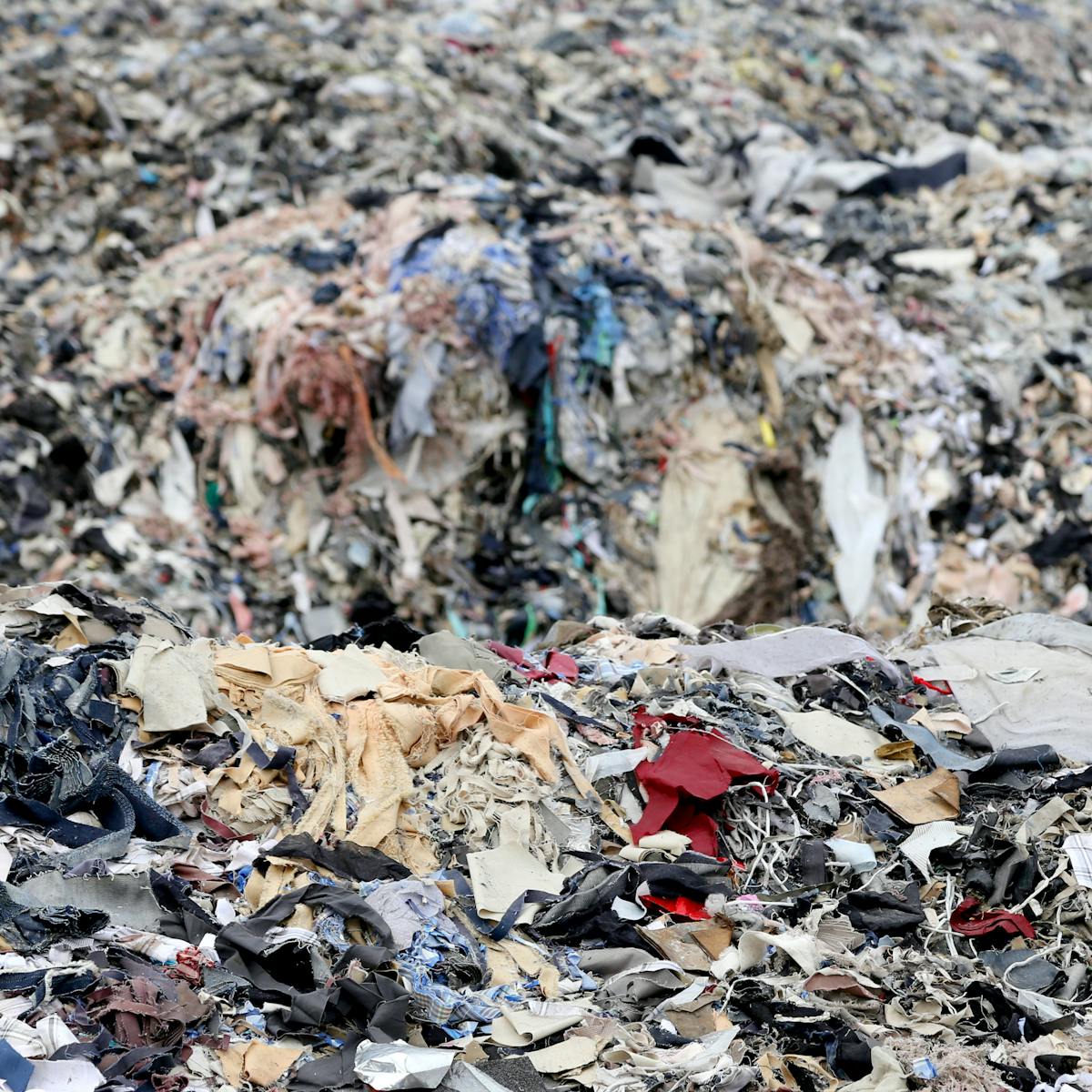
In fast fashion prices are very cheap, this is due to the poor fabric used in construction of those clothing items. Global retailing giants such as H&M, Zara, BooHoo, UNIQLO, Forever 21 and Fashion Nova are all implementing the fast fashion concept, and introducing new styles around every two weeks. As a result of this fast-fashion boom in Australia there is a developing throwaway culture. The average Australian buys 27kg worth of clothes and throws away 23kg, which ends up in landfill. As textile clothes remain in the landfills, they slowly cause environmental damage as the chemicals (dye) leach into the ground.
Another negative about fast fashion is that it harshly exploits overseas workers. As they introduce very often they target countries that have the smallest production costs and offer them contracts. It puts the pressure on the workers to keep up with the quick manufacturing pace. With the very small wage they earn and the rough conditions they work in, they shouldn’t be working this hard for clothes that are only worn once or twice. This raises the big question that has been asked by many people: should these retailing giants be able to keep exploiting workers for their success?
Fast Fashion – Fast fashion can be defined as cheap, trendy clothing, that samples ideas from the catwalk or celebrity culture and turns them into garments in high street stores at breakneck speed
“Clothes make the man. Naked people have little or no influence on society.”
– Mark Twain
References:
- https://www.dictionary.com/e/fashion/drop-culture/
- https://www.lifehack.org/articles/money/8-reasons-rethink-fast-fashion.html
- https://www.smartcompany.com.au/industries/retail/luxury-fashion-industry/
- https://www.forbes.com/sites/pamdanziger/2018/12/18/whats-ahead-for-the-luxury-market-in-2019-expect-turmoil-and-slowing-sales/#59d46936578e
- https://www.psychologytoday.com/us/blog/ill-have-what-shes-having/201405/why-do-we-buy-luxury-brands-and-how-do-they-make-us-feel
- https://karalane.com/smart-people-dont-wear-fast-fashion-high-end-designer-clothes/
- https://www.valuewalk.com/2019/01/top-10-most-expensive-clothing-brands/
- https://www.parivarceremony.com/blog/advantages-of-wearing-designer-clothes/
- https://goodonyou.eco/what-is-fast-fashion/
- https://www.theguardian.com/fashion/2017/dec/06/landfill-becomes-the-latest-fashion-victim-in-australias-throwaway-clothes-culture
- https://en.wikipedia.org/wiki/Environmental_impact_of_fashion
- https://www.alistdaily.com/lifestyle/why-brand-marketers-should-take-cues-from-fashions-drop-culture/
- https://www.alistdaily.com/lifestyle/why-brand-marketers-should-take-cues-from-fashions-drop-culture/
- https://www.dw.com/en/the-hidden-human-cost-of-fast-fashion/a-46577624

 Year 11 MHS Economics 2020
excellent blog dinesh!! 😎🤞
LikeLiked by 1 person
Fast fashion is definitely becoming increasingly present in society and how we shop. It definitely has an environmental impact which many shops are beginning to realise and address. From a consumer’s perspective, it provides a variety of clothing for affordable prices
LikeLike