
Chinese international students contribute billions of dollars each year to our economy, However, as Wuhan stays in lock down and Corona-virus continues to spread around the world, Australia is extending its travel ban to China for yet another week. Leaving many Chinese International Students in China, after Chinese New Year reunion. As a result of this travel ban, our Education Industry, especially the Higher Education Sector has been greatly affected.
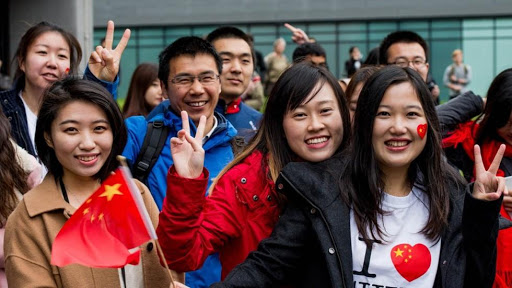
According to the Australian Government’s website, for international students, an Undergraduate Bachelor’s degree costs $20000 to $45000, Postgraduate Master’s Degree costs $22000 to $50000, and a Doctoral Degree costs $18000 to $42000 per year. The 12 month living costs for students are approximately $21040, with additional language courses which will cost around $300 per week. In 2018, international students contributed $32 billion to the Australian economy, and one third of that, $11 billion, was from the 180000 Chinese students who studied in Australia that year. These figures above are what makes International Students so important to the Australian economy.
However, according to a survey conducted in February through Chinese social media platform, We Chat, with 73% of students currently studying in Australia and 26% new students, it found 32 per cent of more than 18000 students surveyed said they would enrol in another country if they could not be in Australia for the first semester of 2020. Meaning universities could lose $3 billion in fees alone if Chinese students stayed away due to the travel ban, according to analysis. Furthermore, losing the students will also have a flow on effect to other industries such as the retail and hospitality sector, as the average spending each year for international students go at $21000.
Even though “Chinese Students who go to a third country and undertake their 14-day quarantine period can enter Australia as long as they abide by existing medical and immigration guidelines.” However, the 3 to 4 weeks students spent in Thailand or whichever country they choose to go to will mean a loss to our economy as they should have been buying goods and services in Australia if not the travel ban. One student from the University of Sydney reportedly spent over $5000 while self-quarantining himself at Thailand. And when we count in the 106680 Chinese students that were overseas after 1st of February, it will mean a loss of approximately 50 million dollars. Department of Home Affairs show 31196 Chinese students have now arrived in Australia since mid-February and the students have been arriving at a rate of about 1,000 a day.
As a response, many universities have announced their plans to support Chinese international students through up to 20% discount on their first semester university fees and subsidy for air-plane tickets up to $2000 (University of Adelaide). This will have a flow on effect to quality of classes and scientific researches in the universities as resources are limited.

 Year 11 MHS Economics 2020
It’s good international students are being supported through these troubling times.
LikeLike