
When buying any kind of good or service, it is important to maximise your utility to dollar to spent value by getting the best deal possible. However, there are many internal and external factors that can guide us into making irrational and suboptimal purchasing decisions. These are known as consumer biases.
As these consumer biases are difficult to illustrate without examples, I have decided to use my own shopping history as an example. Hopefully, it will help you understand the many economic biases and traps we can fall into during any kind of purchasing decision.
First, we need to consider what products we can actually buy. This is where an external bias called ‘Consumer Sovereignty’, affects your purchasing decision. ‘Consumer Sovereignty’ is the idea that consumers have power over the market through what they buy. Goods and services that are purchased remain on the market, whereas those that are not sold cannot compete and are ultimately discontinued due to not bringing their seller enough revenue. Since you can’t buy something if it isn’t on the market, what you can buy is limited to whatever has been recently released or can remain commercially successful. There’s not really a way to avoid this, so you just have to hope that whatever you’re buying isn’t too niche. In this example, I am usually limited to purchasing either the most recent generation of components or components that still have good value despite their age.

After this, we reach the decision-making stage. This is where the consumer actually makes a choice on what to buy. Here we see examples of, ‘Ethics’, ‘Habit’, ‘Culture’, ‘Marketing’, ‘Framing’, ‘Government Regulations’, ‘Nudging’, ‘Anchoring’, ‘Herd Mentality’ and ‘Vividness’. Since this part is the most bias-filled area of purchasing items, I’ll separate it into dot points.
– Ethics: Some people are ‘ethical consumers’, which means that they will only buy products that are ethically made. This involves checking whether a company has been certified by organisations that check whether or not a company sources material ethically and uses ethical labour as well, such as Fairtrade or Rainforest Alliance. Returning to my example, I did not check whether or not the companies I bought from were ethical. This is because I am (un?)fortunately a heartless bastard and was thus completely focused on finding the hottest deals. Sorry.
– Habit: Some consumers are creatures of habit. They will default to buying whatever company they usually buy from, as it saves them mental effort during the purchasing process. I personally don’t recommend choosing products like this. It’s important to remember that 99% of the time, companies only care about what’s in your wallet, not you. It’s ultimately up to you to find the best possible deal, which sometimes involves buying a product from a different company than last time. In my case, I switched from buying an Nvidia based GPU the first time to buying an AMD based GPU this time.
– Culture: ‘Culture’ is when your purchasing decisions are affected by a general belief of the population or community you belong to. Whether it’s buying the homegrown Australian brands or buying white rice instead of brown because that’s what your parents used, your purchasing decisions are heavily affected by the people around you. In the world of pc components, ‘Culture’ is incredibly useful. It’s an easy way to gauge whether or not a company is reputable, and thus whether or not you should buy from them. Since people love to complain, it won’t be hard to find a lot of negative comments about a company that doesn’t have a high standard for quality.
– Marketing: ‘Marketing’ plays a heavy role in virtually any purchase, and it’s the bias that is most likely to affect your purchasing decision. You are much more likely to buy products that you have seen advertisements for, especially if they hype up the product or oversell its qualities. This isn’t limited to traditional advertising either. Influencers and creators are usually sponsored by one company or another and will usually add some kind of product placement or pitch into their work. Even reviewers doing unsponsored reviews are a form of marketing, as a high review score will make a product more appealing (and usually gets used by a company in their next advertisement anyways). When buying components, it’s important to remember that while a large amount of advertisements can mean that a product had a high budget for development, it can also mean that a product had way too much money put into advertising and not enough into improving the product.
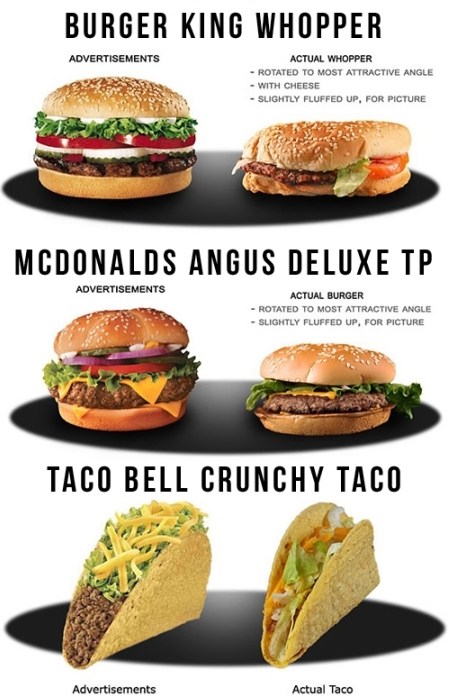
– Framing: When trying to sell a product, it Is important to catch a consumer’s eye and present your product in a way that makes it more appealing. ‘Framing’ is how companies usually do this. Framing things in a positive light can make a product look better than it actually is, such as when companies compare their new products to an older, inferior one. 50% less fat sounds better than 20g of fat and is more likely to convince a consumer to buy their product. Another example of framing is long product names with many buzzwords designed to catch your eye and overwhelm you with information. An example of this is when I was buying a GPU. Instead of listing the GPU under its usual name, they had put it under something along the lines of ‘MSI HIGH END GAMING 4K READY DUAL FAN HIGH COOLING LIMITED STOCK BUY NOW’. It’s important to think objectively about a product, rather than being distracted by their positive framing.
– Government Regulations: The Australian Government can influence the market in order to push consumers towards buying certain products. In my case, the dropkicks in parliament-imposed tariffs on a GPU listing from the US I saw and turned my $560 bargain deal into a mediocre $630 price that would force me to wait for overseas shipping. I ended up choosing a different listing that was from Australia.
– Nudging: Nudging is when certain decisions such as where a product is placed on a shelf or how much it is taxed affects a consumer’s choice on whether or not to buy it. As mentioned earlier, the government can influence who we buy from, though my example was less like a nudge and more akin to ScoMo t-posing on me and giving me the middle finger.

Anchoring: The price of one product sets a precedent for all others. An easy example of this is when Apple released the iPhone X. The exorbitant price of the iPhone X made all other iPhone products look cheaper, especially with second-hand pricing. In the case of pc components, there are extremely expensive cards like the Titan and Quadro series from Nvidia and the Vega 64 series from AMD, which make cards like the RTX 2060 and the RX 5600 seem dirt cheap in comparison. This, however, is anchoring in effect. It is important to understand that graphics cards like the Titans and Vega 64s are for companies and extremely rich individuals with massive budgets. They should not be compared with consumer cards. It is better to focus on the big picture instead of fixating on the price point of a single product.
– Herd Mentality: Herd mentality is when you purchase things because everyone else is rather than thinking about if you actually need them. A recent example is the coronavirus outbreak making people rush into stores to buy out all the toilet paper. Some people leave with over a year’s worth of toilet paper, which raises the question of whether or not they really needed that much. These people fell into the trap of herd-mentality and made a panicked decision that might not have been optimal. Examples involving PC components are review sites, forums and social media sites, where people share their opinions on what components are the best or have the most value per dollar. Following what is said on these sites can save you the enormous headache of manually comparing the specifications and dimensions of every available product, but it can lead to a suboptimal purchasing decision if you trust judgement from others that were mistaken. Because of this, it is important to check that the information you are being provided is from a reliable source.
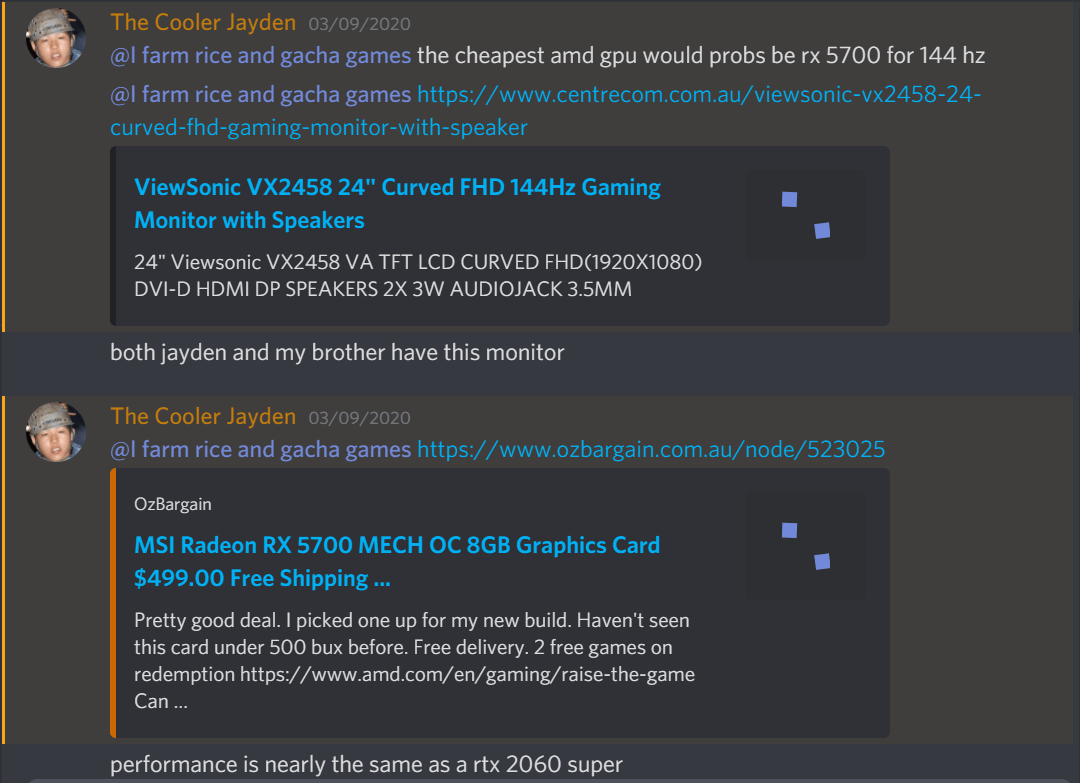
Vividness: Consumers will often value information from one source over the other, even if they logically should not. The most obvious example of this is people trusting colleagues and friends over professional advice that seems stiff or uncaring (anti-vaxxers come to mind). When looking for a monitor and GPU to buy, I asked a friend over discord what he recommended. While this wasn’t the worst possible choice, it would’ve been better to consult a professional review website with benchmarks. I realised this later and checked websites like Anandtech and UserBenchmark.
After the enormous task of going through all those decisions, we still have to find the best possible price for the products we want to buy. Many people at this stage (having been mentally exhausted by the decisions earlier), will make the low effort choice of buying all their products from one store or supplier. If you want the best deals though, you’ll need to compare different stores. Motivated by my undying love for money, I checked eBay, Google’s shopping tab, AU PCPartpicker and OzBargain in order to find the best possible deals, though what stores you’ll be shopping at depend on the product you want.
As you can see, truly maximising your utility to dollar spent value is difficult and time-consuming, but well worth the effort. Every dollar you save can be used on other things, ultimately increasing your total utility and happiness gained.


 Year 11 MHS Economics 2020