What is Monetary Policy?
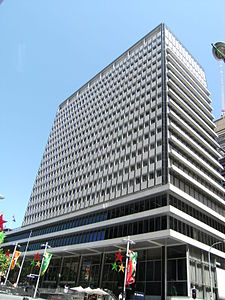
Monetary policy mainly concerns the management of interest rates, and the total supply of money currently in circulation. Monetary policy is generally handled by central banks, such as the U.S Reserve Bank, or the Reserve Bank of Australia.
The central banks will use monetary policy to either stimulate an economy, or control its’ growth. When the banks want the economy to grow, they will try and incentivize spending and borrowing amongst individuals. Usually, they will accomplish this through manipulating interest rates. In turn, this will influence the total demands for goods and services, which itself will impact the economy’s total output.
Where can we see Monetary Policy in action?
One example of monetary policy in action is its effect on inflation. For example, if the Reserve Bank were to increase interest rates, it would reduce inflation. This is because less people will be able to borrow money, returns on their savings will be higher, and thus they will save their money rather than spend it. Decreasing interest rates has the opposite effect. Because this makes taking out loans cheaper, more people will be able to take out loans and borrow money. Thus, they will have more money to spend. The result is economic growth and inflation. If the banking institution in control feels that inflation is under control, they will turn their attention to economic growth and job creation instead.
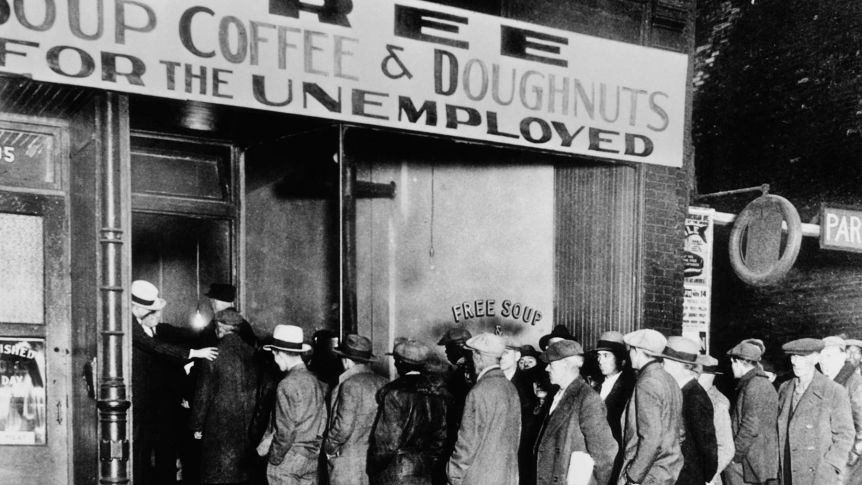
Ultimately, the monetary policy doesn’t have that much impact on a real economy. Its’ influence is fairly limited to influencing inflation and growth. A real life example would be the U.S Federal Reserve’s actions during the Great Depression. Though they took aggressive action and managed to prevent deflation and economic collapse, they could not generate enough economic growth to reverse the lost output and the lost jobs.
What is Budgetary Policy?
Budgetary policy, also known as fiscal policy, is generally decided by government legislation. It concerns spending and taxation decisions by the Federal Government and their impact on the budget outcome. These outcomes can be:
Budget Deficit: When government expenditure exceeds government receipts
Budget Surplus: When government receipts exceed government expenditure
Budget Balance: When government receipts and government expenditure are equal
Generally, a budget deficit will lead to short or medium term economic growth. A budget deficit generally means that the government has been injecting more money into the economy (through government spending) than it has been taking (through taxes). On the other hand, budget surpluses will have the opposite effect, as it generally means the government is extracting more money from the economy than it injects.
Where can we see Budgetary Policy in action?
Governments always aim to manage their budgetary policy with the intent of improving the prosperity and welfare of the nation’s people. When there is not enough business activity in an economy, the government can increase the amount of money it spends. This is commonly referred to as stimulus spending. If the government lacks the tax receipts to pay for the spending increases, they can issue debt securities such as government bonds to borrow money, and accumulate debt. This is known as deficit spending.
Government are also able to use their budgetary policies to target specific communities, industries, investments or commodities to encourage or discourage production. Decisions regarding budgetary policy may not always be economically motivated. As such, it can be a hotly-debated topic among not only for economic reasons, but also for political reasons.
Overall, budgetary policy essentially aims to influence aggregate demand. Companies targeted by budgetary policies can benefit and and see increased revenues. However, expansionary fiscal policy can risk causing inflation if the economy is near full capacity. In competitive industries, the inflation will then reduce the margins of corporations that can’t easily pass costs to customers, and it will also eat at the funds of people on a fixed income.
Monetary and Budgetary Policy in summary:
In summary, both monetary and budgetary policy are both macroeconomic used to manage or stimulate the economy with the goal of the people’s prosperity. Monetary policy is set by a central bank, and aims to affect consumer spending through influencing interest rates. Budgetary policy concerns taxation and spending decisions by government, and will impact the taxes paid by individuals, provide employment through government projects, and increase business activity through government intervention.

 Year 11 MHS Economics 2020