Welcome once again to my annual economic blog, this is a rare occasion blog as the rest are usually about Addison Rae. Today’s topic is Monetary policy. lets define that bad boy real quick.
- Monetary policy is the actions taken by a central bank to control money supply to achieve economic growth.
What really is it though and what’s it for? 🧐
monetary policy is the process of planning, announcing and adopting the measures taken by usually a central bank, it consists of managing interest rates and money supply which are aimed at achieving many economic goals such as managing inflation, growth and liquidity. these are achieved by mentioned above, lowering or increasing interest rates or buying and selling government bonds.
now they boys and girls in black at RBA (reserve bank of Australia) are they organizers of this whole operation and are independent from the Australian government. they meet up 11 times in a year on the first Tuesday of every month to decide what the cash rate should be. now you might be scratching your head saying cash rate? what’s cash rate and how does that help? well that’s where me your genie in a bottle comes in.

- cash rate it is the interest that every bank has to pay on the money it borrows, or in its own words, the “overnight money market interest rate”.
if the sick lads in the RBA decide to reduce the cash rate it stimulates spending and inflation, whereas if they increase the cash rate it dampens spending and inflation.
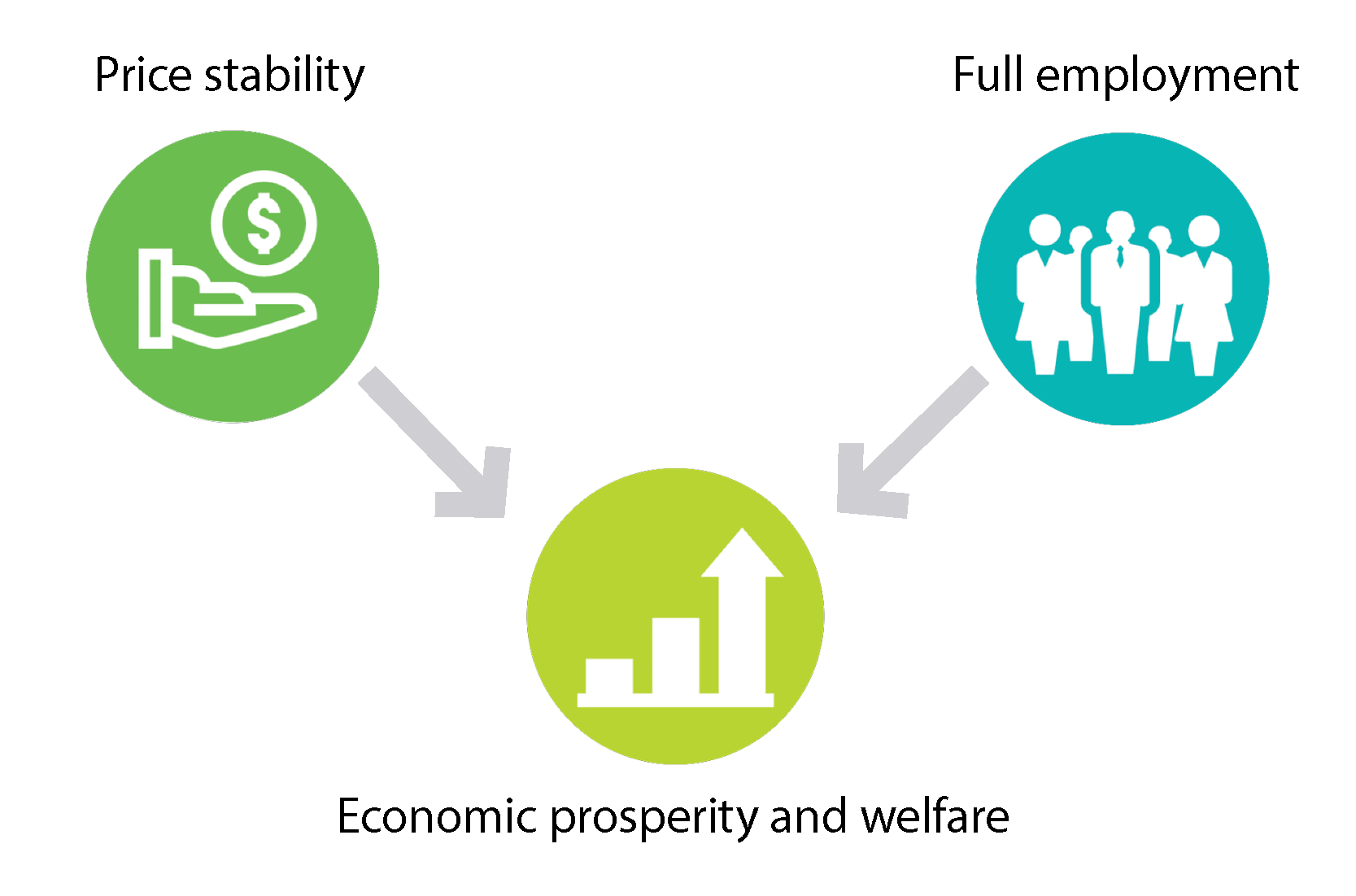
The RBA has 3 main objectives outlined from the reserve bank act 1959
- the stability of the currency in Australia
- the maintenance of full employment in Australia
- the economic prosperity and welfare of the people in Australia
key points so far, are you listening? 🙄
- most commonly its the central bank that determines the monetary policy
- they can modify interest rates and specifically cash rate to control inflation which preserves the value of the currency
- the policy aims for sustainable economic growth for the long term
getting back into the topic at hand, you may be like why are you writing about this param? what’s the relevancy?
if monetary policy is not managed properly, inflation may occur, if this happens the currency is devalued. so more of it is needed to have the same value. now this is especially bad for you savers out there. if you have a savings account and have money in it, inflation will greatly reduce the purchasing power of that money. You as a person wont be able to buy many goods and services. Then you might ask yourself, so inflation is bad that means the opposite is good? the opposite is deflation and no its not good.
deflation is usually a sign of a weakening economy. deflation is bad because deflation mean falling prices which leads to less consumer spending. Then companies have to lay off jobs and reduce salaries to turn a profit. so I’m guessing you don’t wanna lose your job.
Both ends of the spectrum are a bad idea. That’s where the RBA comes in with their monetary policy to make sure everything is balanced and in good interest for Australian citizens. Not every hero wears a cape.
Thanks for reading my blog and I await the next annual economic blog. The main points I want you to take away from this blog besides the fact that I’m a tiktok addict is the fact that the RBA isn’t looking for profiteering over the expense of the general public, cash rate is only determined for the benefit of Australia as a whole. the government and the RBA has to sacrifice some people, some jobs, some business for the greater good as to not have drastic effects. there will always be consequences it’s the RBA and the monetary policy’s job to minimize those effects. stay well and remember no matter how much taxes you have to pay, the government loves you.
sounds like something the government would say now that I think about it…
referencing (you should check these out for more detailed information):

 Year 11 MHS Economics 2020