For a century, world economies have interconnected through an age of economic prosperity. However, due to the devastating impact of Coronavirus on not only the public health, but economies, the shutting down of physical borders may cause world leaders to replace them with economic boarders through a new wave of protectionism.
An overview of protectionism
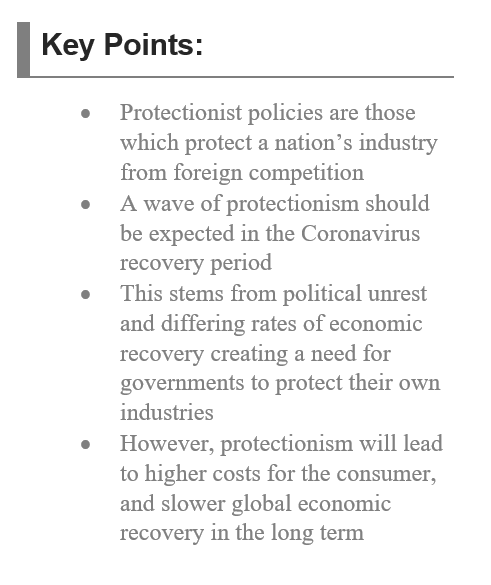
Protectionism is the protection of a nation’s industries from foreign competition, usually through restrictions in international trade. Despite most economists agreeing that free trade is the best for the world economy, almost every country still employs it to varying degrees.
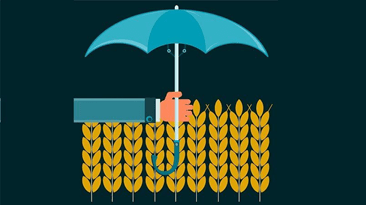
Protectionism is employed by giving local industries relative advantages over international ones through tariffs, subsidies, quotas and currency manipulation.
Tariffs are taxes placed on imports directly by the government and aim to create more competitive local markets by making overseas competitors seem relatively expensive. Subsidies involve reducing taxes or giving payments to local industries to reduce their cost of production. Quotas set a cap on the amount of a good which can be imported, regardless of price, and is great for preventing unfair market practices like dumping, where one nation exports large quantities of certain goods at drastically lower prices to drown out a market in another. Currency manipulation involves purposely setting the exchange rate lower to make exports become relatively cheaper while imports become more expensive. This is done through the selling of currency reserves by the central bank, or expansionary monetary policy.
Protectionism is usually employed in times of economic downturns as in the short term, it seemingly provides many short-term benefits. It encourages self-sufficient industries, gives new industries time to develop and boosts GDP by increasing exports or decreasing imports.
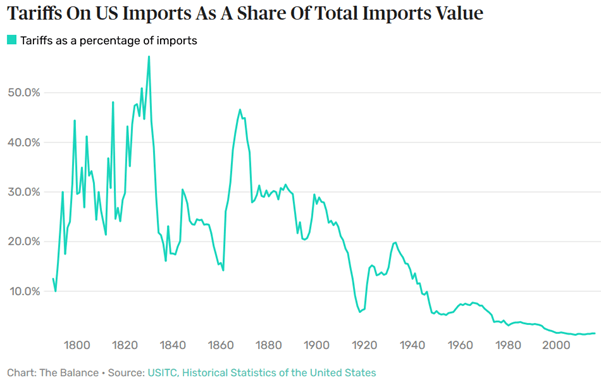
We can see an example of protectionism working through a pre-20th century US. During those times, Europe had highly developed and streamlined industries which would outcompete their young American counterparts. In employing heavy tariffs, the US successfully protected its markets and allowed them to grow to the sizes they are today.
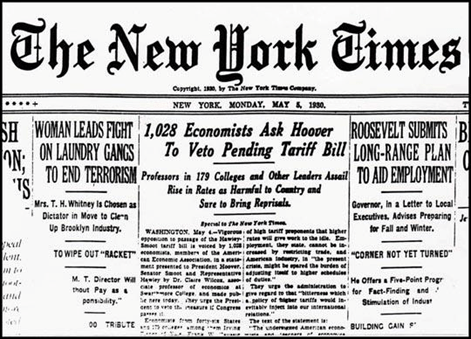
However, in the 1930s, new tariffs created by the US led to heavy retaliation from European states. This not only reduced global trade, but also foreign investment, which is a major reason why the stock market crash was as bad as it was. These factors made it difficult for the economies of the time to recover from the Great Depression and highlighted the importance of free trade.
Moreover, the interconnectedness of today’s industries makes protectionism a less viable concept, even for developing nations. In the 1980s, the Brazilian government tried to support its computer industry through employing heavy quotas but ended up hindering it, as the Brazilian companies did not have the connections and pressure to catch up to the as rapid advancements in other parts of the world.
Overall, the resulting effects of protectionism are negative, as retaliation and restrictions in global trade offset the benefits which it aims to provide, especially in a time when both consumers and business heavily rely on global markets. Not only that, forms of protectionism like currency manipulation can spark currency wars and create negative externalities for those uninvolved in the form of drastically higher import prices as their exchange rate appreciates. Nowadays, the World Trade Organisation exists to prevent unfair trade practices in order to deter the need for protectionism.
How does protectionism affect us?
Due to restrictions on imports, consumers suffer higher prices. Those who work for international companies may lose their jobs as they look for markets in other countries instead. Moreover, retaliating policies may mean that even exporting industries may not see any benefit as restrictions begin to be placed on them too.
Will there be a protectionist response to COVID-19?
“While we must always safeguard our national interest, we must also recognise the great benefits that have accrued to Australia as a trading nation”
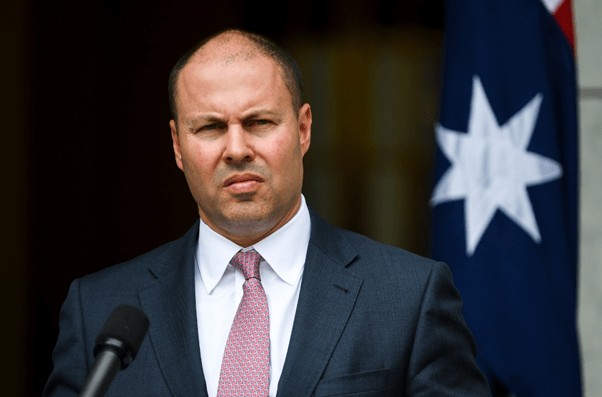
In March, Frydenberg stated in a National Press Club that he is against protectionism in recovering the economy as he sees trade as essential for Australia’s economy.
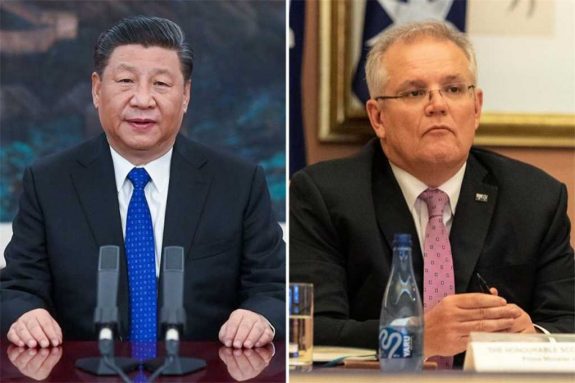
However, we can already see protectionist measures being put in place by and against China, like Chinese tariffs on Australian beef or increased security for foreign investments into Australia, for political reasons, which will negatively impact our businesses while providing little benefit. Moreover, we may see further increases in protectionism when nations which recover from the pandemic first, like China, begin to export much higher quantities of goods which may hurt economies still trying to recover.
Blurb
Instead of looking at a budgetary or monetary policy as a whole, I decided to zoom in on the specific topic of protectionism and protectionism policy. In a time of economic downturn, I wanted to find out the role and history protectionism and how it would affect the recovery of the world economy. This was then conveyed through a medium which is often associated with analyses of current issues.

 Year 11 MHS Economics 2020