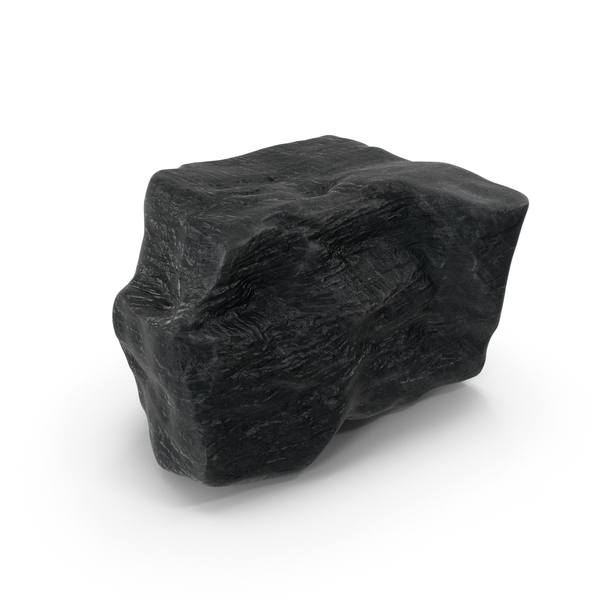
Coal, a natural resource that we as Australians treat as our greatest commodity. Though it is the fossil fuel that generates our power and is the resource that is exported for $40 billion AUD a year, coal in itself is a very harmful resource to our earth. When burned it produces CO2, a green house gas that destroys the ozone layer allowing our earth to get hotter and hotter.
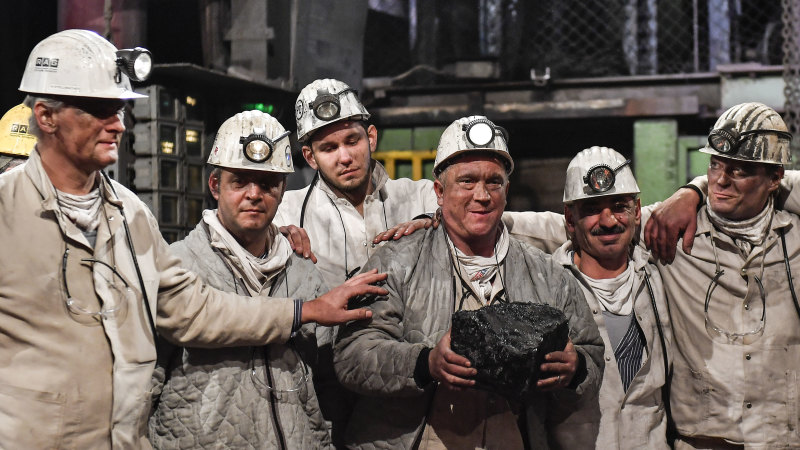
In December 2018, Germany closed down its last black coal mine in the Ruhr Valley. Surprisingly this was done without sacking a single worker. Like Australia, coal was commodity in Germany, it sustained the country through 2 world wars, brought the country back from collapse and helped to create the European Union. After years of use, the Ruhr Valley is near depleted of black coal with digging deeper being the only option to find more. The industry was dying and even the government had to step in to keep the industry afloat.
So how did Germany closed down its coal mines? The plan started in 2007 with a slow transition of closing down mines and coking plants. This was over seen by RAG (German coal mining company) and they followed one simple rule throughout this process “No one should be left behind”. As mines and coking plants were closed employees were retrained for different jobs or were transferred to a different mine if they wanted to continue mining coal and if the employee was over 50 they can receive a generous voluntary payout. Now with all mines, coking plants and employees gone this would seem like the end of RAG, but it still exists with a workforce of 5,000 workers ensuring that poison ground water stays below ground.
With black coal gone, all that is left is brown coal. Currently brown coal contributes to 37% of Germany’s energy production, but by 2038 and 40 billion Euros later Germany would’ve hopefully said bye to coal mining forever.
In comparison to Australia, when we shut down our car production industry, 950 workers lost their jobs. This would be considered a poor effort on our part, as the coal mines in Germany had hundreds of thousands of workers and not a single one of them lost their job or retired without compensation. We can always use the events that happened in Germany as a model for the future, when we say goodbye to fossil fuels.

 Year 11 MHS Economics 2020
Interesting comparison…
LikeLike
I wish the Government wasn’t so dedicated to coal in Australia, it’s not a sustainable future, and most claims that it’d be impractical or that Australia would suffer from the repercussions of dropping coal can be easily countered by finding past examples like this. Worried about unemployment? Well this example shows that it doesn’t even have to be that much of a big deal. Nice, Jett 😀
LikeLike
Great Title. Catchy and Engaging
LikeLike
Nice piece looking at the German situation. Could you find any information that discussed how many coal workers are employed in Australia? What are the three major parties in Australia proposing to do when we transition away from coal?
LikeLike
Considering the scale of coal-production (and hence, employment) in Australia, the struggle to slowly close these plants while ‘leaving no-one behind’ will be a herculean task. Unless the government can compensate about 100,000 workers (half of the coal-industry workforce), or find other jobs for these workers, I don’t see Australia emulating Germany’s success unless the private sector co-operates.
Very imminent and topical blog Jett!.
LikeLike