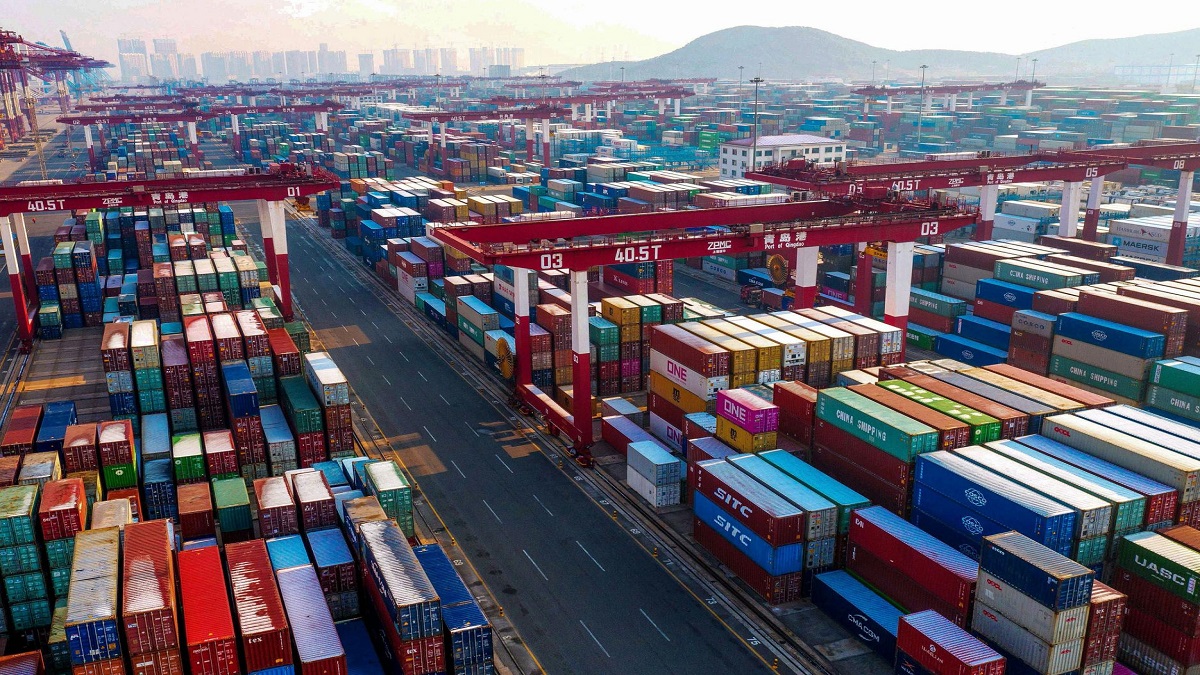
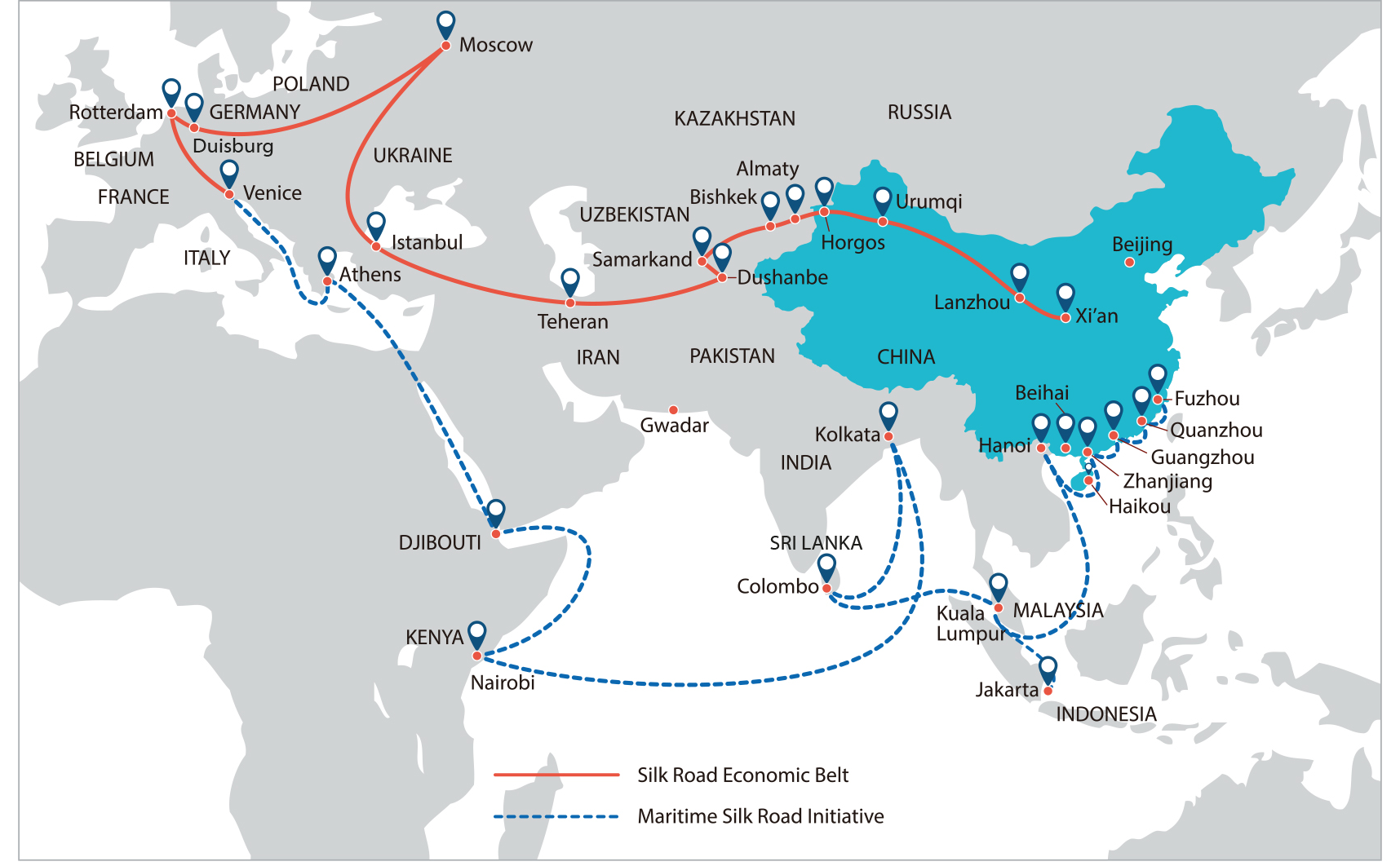
The Belt and Road Initiative (BRI) is a global trade network that connects China with 71 countries across Asia, Europe and Africa. The total value of commodities traded has reached US$1,440 Billion in 2017 where China exported US$774Bn worth of goods to BRI countries, raising their overall imports by 20%.
China has a lot of land and labour to operate factories, but they need more entrepreneurs and capital to produce goods, so they require machinery from other nations to produce tertiary goods. 40.3% of their total imports are secondary electrical machinery and mineral fuels, while 43.8% of China’s total exports are tertiary electrical machinery, equipment and computers which are supplied to developing countries in the BRI such as Oman and Ethiopia. The opportunity cost of merely supplying their products to satisfy their own population is negated by allowing foreign companies to purchase Chinese goods and invest in their economy, thus increasing China’s global market power.
“But just like with concrete transactions or the exchange of ideas, the way our ancesters traveled spread other things, too, like disease.”
Peter Frankopan, professor of global history at Oxford University and author of ‘The Silk Roads: A New History of the World’
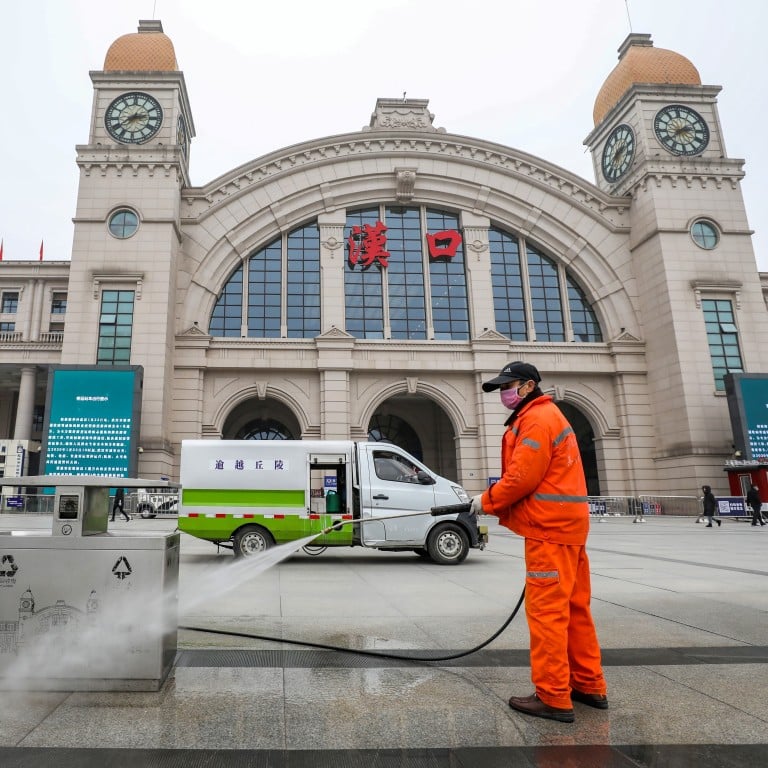
The Corona Virus damaged the economic strength of China and many other countries significantly. There is not enough medical personnel and resources since the supply of equipment like hospital beds can’t keep up with the increasing demand. Factories that supplies machinery and raw materials for BRI projects were shut down, and white & blue collar workers receive less supplies to produce goods, fewer consumers purchase them and use services in fear of contacting the virus.
People are under time constrains of stocking up rations quickly and minimalize human contact. This creates a complex decision of whether to isolate themselves or to continue working even if there’s a high risk of infection just to earn income to purchase necessities.
To insure the continuous supply of essential goods from the BRI, the Chinese Ministry of Commerce removed any registraton fees for specific drugs and medical devices and a one-time tax deduction for purchasing those supplies. Companies that provides transportation, shipment of medical equipment, delivery and consumer services will receive production subsidies. These positive incentives encourages foreign companies to supply more goods to maintain efficiency in hospitals and various industries.
Many BRI countries implemented ‘shoves’ and ‘smacks’ to limit the spread of the virus. It is within Chinese ethics and culture that exerting strict societal control for the saftey of others is socially responsible thus highly regarded, citizens in Wuhan are financially rewarded for reporting people who fail to follow quarantine orders. Many countries implemented travel bans and closement of borders towards Chinese nationals, but it caused cases such as thousands of Chinese workers for the construction of a $2.5 Million Bangladesh power plant were trapped in China since they were unable to leave the country.
Imperfect information or misinformation however, is the largest factor that creates fear in society which causes different behaviours towards the virus. Some are overconfident and believed that only the elderly and vulnerable will suffer from the virus, thus continuing to work outdoors or encouraging trade from heavily infected countries by continuing to buy their products. Some panicked and resort to heuristics where they follow what the majority is doing. Driven by their narrow self-interest to maximize chance of survival, they ‘panick-buy’ scarce essential goods like food and masks which quickly depletes resources. Others, usually European BRI countries such as Austria, often act from alarming images such as quarantined ships and unhygenic markets; the speed to implement ‘shoves’ and ‘smacks’ mentioned above depends on the vividness of these imagery caused to the general public.
The BRI had been halted but I believe it will return to normality soon. All actions taken by China and other BRI countries have lessened the imapct it might’ve received and are keeping the BRI sustainable and progressive .


 Year 11 MHS Economics 2020
damn peter u are very smart and intelligent x
LikeLike
China’s strategy to limit the outbreak physically and economically is one other countries should observe.
LikeLike