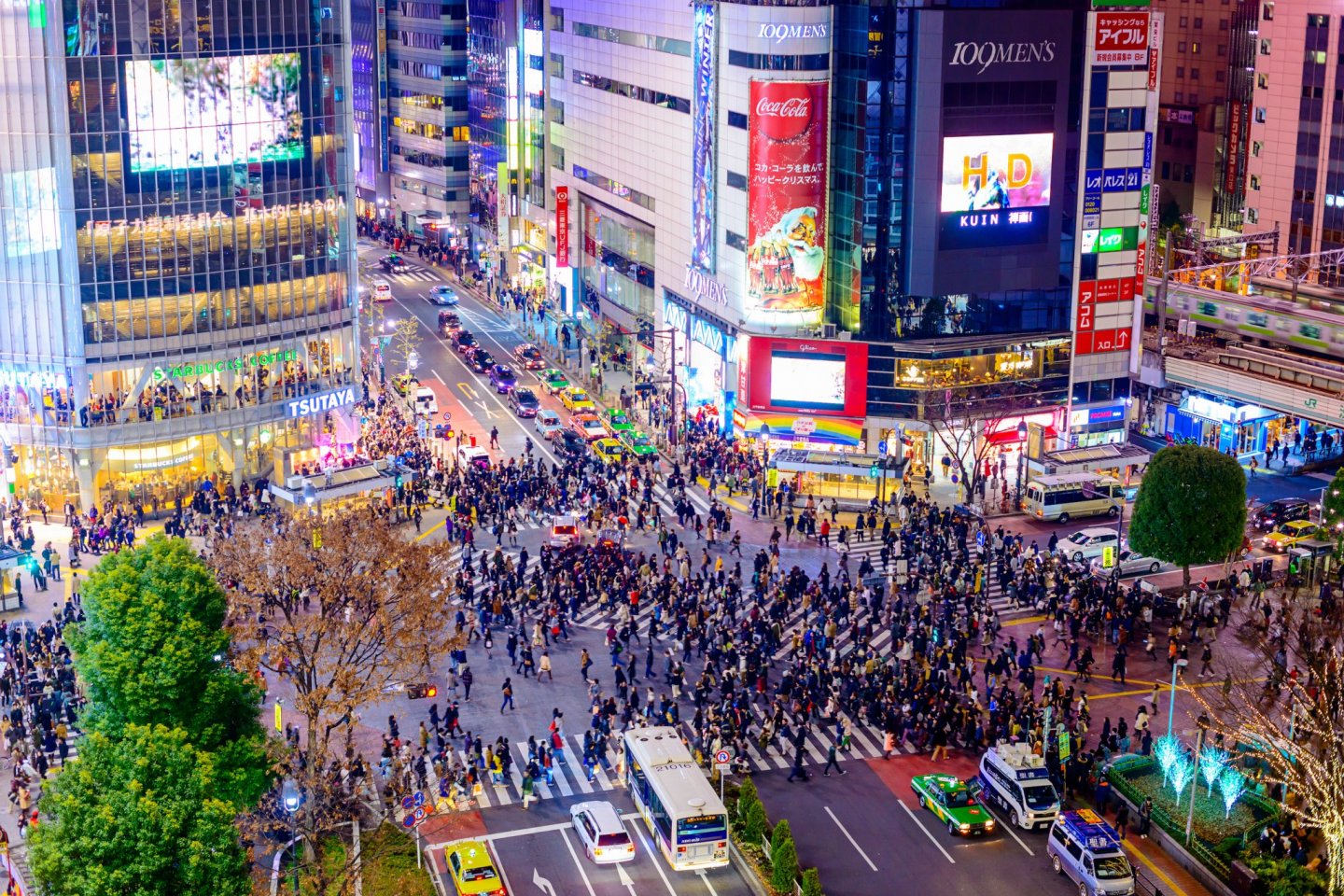
Japan’s economy has always been a very highly developed free market economy, ranking as the world’s third largest by nominal GDP and fourth in purchasing power parity (a term that measures prices in different areas using a specific good/goods to contrast the absolute purchasing power between different currencies). Despite being one of the world’s economic powerhouses, the country has many underlying issues that do not get brought up as much. You may have heard about the country’s aging population and diminshing fertility rate which definitely will negatively affect the economy due to the consequential reducing labour force and increasing social secuirty burden and benefits, but i want to talk about an issue that doesn’t get brought up as much.
Japan’s society in particular feels a bit…isolated. Loneliness and solitude have always been a growing issue in not just Japan, but the U.K. also are suffering from an ‘isolation epidemic’ and have even appointed a minister of loneliness! This might sound like a bit of a joke but it has become a serious issue for these two countries. Loneliness is first and foremost a personal problem of people, but has begun to become an economic issue as well. Loneliness undermines people’s health and slackens productivity, and it has been recorded that it costs Britain the equivalent of 4.7 trillion yen a year (70.45 billion AUD), and is very likely to cost Japan even more due to its higher population and its astonishing numbers. This relates to Japan’s PPC, or production possibility curve/frontier. The PPC is a curve which shows the various combinations of the amounts of two goods which can be produced within the given resources and technology. Although an economy like Japan produces way more than two goods, the curve is still a good demonstration of the impact of Japan’s loneliness, as if more people show more signs of poor mental and physical health and general unhappiness with their lives, this will definitely shift the curve downwards as productivity will slacken due to the declining labour force.
So how exactly can ‘loneliness’ be measured and to what extent it will impact an economy and society’s general wellbeing? It is very difficult to pinpont an exact metric value, but there are indicators that suggest this idea. Here are some stats that relate to Japan’s loneliness:
- More than a third of Japanese housholds are single occupant
- 15% of Japanese say they have no social intercourse at all outside of family – the highest in the OECD (The Organisation for Economic Co-Operation and Development is a essentially a group of 34 member countries that dicuss and develop economic and social policy).
- 20% of Japanese people are “lifetime singles” (never been in a relationship)
- 1 in 3 Japanese marriages end in divorce (One can be widowed, or childless, living apart from one’s children, living apart from one’s famiy and friends, etc.)
- 15% of elderly men living alone have fewer than one coversation in 2 weeks
- 8.4% of young and middle aged men live alone
Many people have expressed their views about the issue such as Tokyo Keizai, a university in Tokyo says that “loneliness, [or] prolonged isolation, sours our outlook on life. It can make us inconsiderate of and uninterested in others. Over time, “as more people grow isolated, it may turn Japan into a less tolerant society.”
It’s also unclear whether a minister of loneliness can actually affect people’s lifestyles and choices. Although Japan has yet to implement such a position, it will be interesting to see what actions and choices they will make to somehow impact the lives of people. This will most likely be done in the form of nudges (positive reinforcement and indirect suggestions as ways to influence the behavior and decision making of groups or individuals) but ultimately a person’s happiness and wellbeing really boils down to themselves.
I believe this whole issue really spreads from the rise of technology and social media. Our lives have become a bit too convenient, where people can purchase food, clothes, items from the comfort of their home, devices such as laptops, pcs, phones and tablets which allow us to entertain ourselves and allow work to be completed with it. But this is where the problem occurs. Many people have enjoyed living such a lifestyle where they are couped up on their devices mindlessly scrolling through social media feeds, playing games and enjoying staying in the comfort of their home knowing that delivery services can give them access to food and clothing any time they needed. Why bother with socialising, or having hobbies such as sports or one relating with the arts when they can stay in the comfort of their home and be alone. Japan has unintentionally developed such a culture for their society, and this ‘hermet’ lifestyle or the circumstances individuals are also placed in create this alienated atmosphere. If countries such as Japan want to fix such an issue, it needs to start with changing the culture and attitudes of people within its society.
References
https://en.wikipedia.org/wiki/Purchasing_power_parity
https://en.wikipedia.org/wiki/Economy_of_Japan
https://thediplomat.com/2019/11/how-does-japans-aging-society-affect-its-economy/

 Year 11 MHS Economics 2020
This issue is really interesting and seems like a chicken and the egg issue. Is Japan’s economy and productivity to blame for its loneliness culture or is the culture an attribute of why Japan is so productive. Mental health has certainly become an issue nowadays, and it is interesting to see how it is affecting one of the most developed economies.
LikeLike