
The corona virus is a pandemic that is currently affecting the whole world, the media is also heavily focusing of the drastic decline in the stock market and all the loss that the global economy if facing due this new epidemic. Although the media is not wrong, a lot of businesses and companies are struggling to stay afloat, no one is recognising companies such as Netflix, Kleenex and Purell that are having huge increases in revenue and market capitalisation, even though the rest of the world is suffering. Due to all the frantic purchasing that consumers are doing out of fear that they will now not be able to leave their house, companies like Purell and Kleenex are booming in terms of profits and companies such as Netflix are in much higher demand due to school students who are forced to stay home and people who are in quarantine having a lot more free time.
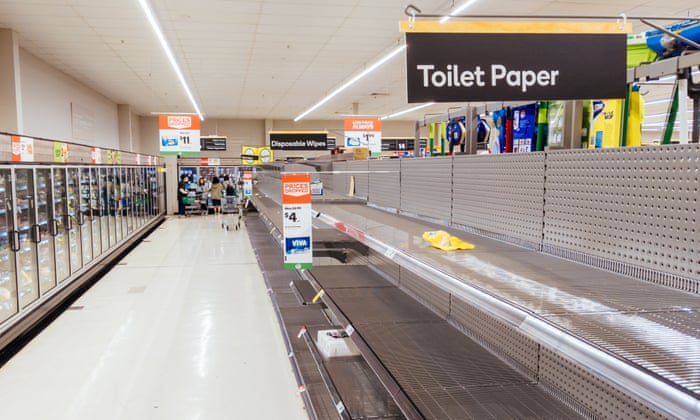
The recent, mass “herd” behaviour from consumers in Australia has made a lot of companies have go bankrupt, especially businesses like restaurants, gyms and cinemas. But the opposite has also happened for some companies, such as Kimberley Clark (who produce Kleenex tissues) that have had a massive increase in demand and their PPC has risen in both production and resources, as they recently announced they kept their factories open 24 hours a day to meet with the increasing demand. Although these industries are doing exceptionally well right now, it begs the question, that what will happen to them in the future? If you look at this situation logically, then the only way for these companies to go, is down.
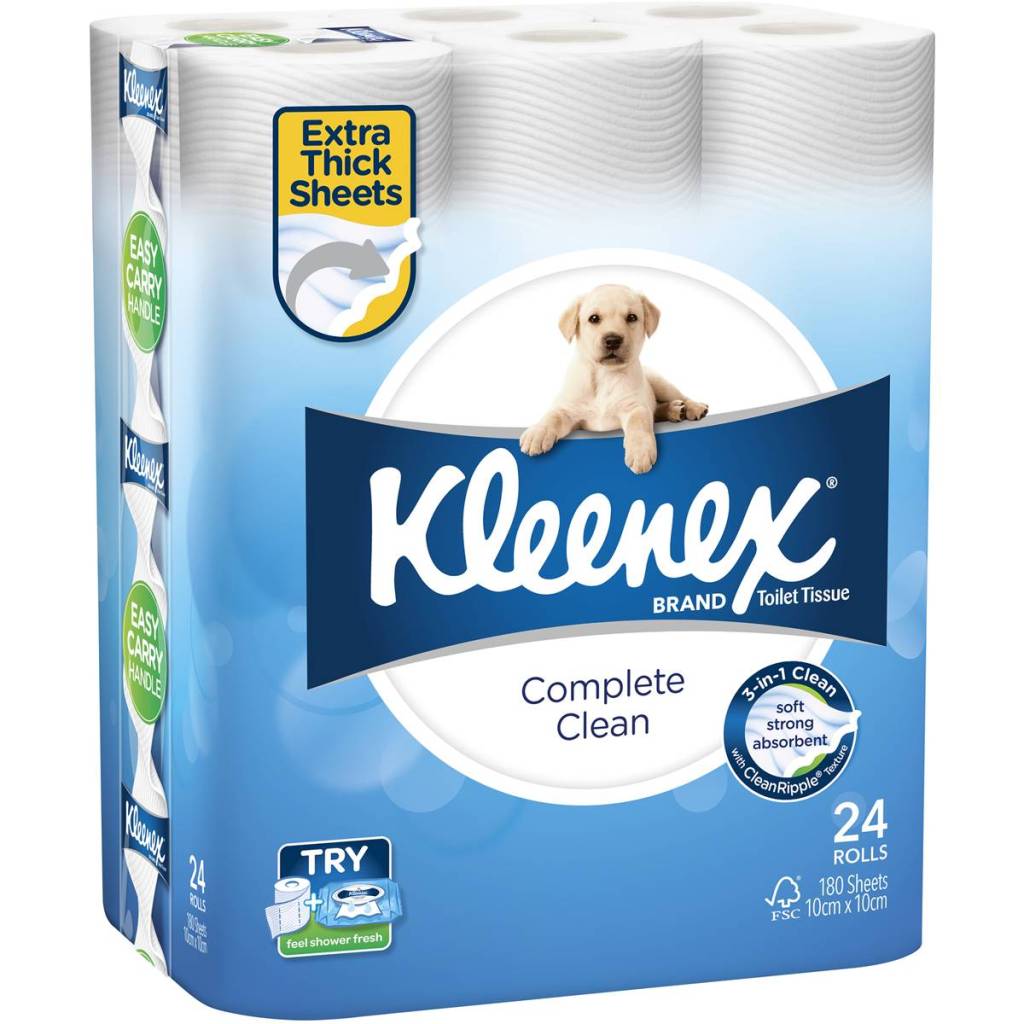
The best way to analyse the situation is, if the corona virus lives up to the fear that the media is instilling in everyone and almost the whole country goes on lockdown due to the virus, people will not be able to go outside of their homes for the foreseeable future, leading to the almost immediate termination of people going outside to but their groceries. This will lead to huge overstocks in supermarkets such as Woolworths and Aldi who have recently been increasing their intake of stock by a lot more than usual, suffering big losses for stakeholders and forcing them to restock if most is their goods expire. This may seem quite risky and catastrophic for the supermarket and sanitary product industry, but this is the better of two outcomes.
Let’s say the cure for the corona virus is found next week, and this vaccine is being rapidly spread all over the world, allowing people to be safely out in public again, due to most of the population bulk buying for up to 4 months-worth of food, no one will be going anywhere near a supermarket for at least a month after this vaccine has been applied to most of Australia, this would not be as bad for companies such as Netflix or Amazon, as they are less forced to produce than other industries in demand. But it would be disastrous for the supermarket and toilet paper industry in Australia, as they would have a huge overstock of goods, trying to predict that this trend of mass consumption keeps on occurring. This is also again disastrous for stakeholders, due to mass losses in revenue and demand, drastically lowering their market capitalisation and PPC.
Overall, due to the extreme herd behaviour and bounded willpower of consumers in Australia, what the grocery and sanitary product industry thought was their moment of triumph, in which increased profits could be made, will turn into a curse for the future.

 Year 11 MHS Economics 2020
Great blog Sidd! Waiting for school to be cancelled so I can finally catch up on Netflix shows.
LikeLike
Helpful article for those of us playing the asx sharemarket game
LikeLike