Everyone knows not everything popular or trendy on the internet lasts, whether it be some meme or internet challenge or even a whole social media platform, like Tumblr, Omegle, and Myspace. The massive app known as Vine started as a video sharing platform with short videos that provided a lot of entertainment and gained a lot of traction in the web world. However after being sold to twitter and going bankrupt it was shutdown and was no longer a part of everyone’s lives. Then emerged Musical.ly which is another app similar to vine except for the fact that the majority of the content was lip syncing content, which also didn’t last long after making an impact. Then came along Tiktok, now everyone is getting wartime flashbacks to the days of vine and Musical.ly and are also expecting with a big gain in popularity, a bigger fall in the end. But is that really going to be the case, will the pattern continue?
What is tiktok?
Tiktok is a giant social media platform owned by the parent company known as bytedance. They also have a Chinese version known as Douyin. Tiktok is a platform where any users (tiktokers) can upload short videos from 1-15 seconds long to multiple clips up-to 60 seconds, so you can tell that this appeals to a lot of people as people always think they are in a rush and don’t have time to make rational decisions (heuristics or in this case ‘Fast thinking’) they enjoy consuming short videos whether they really think if it’s entertaining or not.
Fast thinking: logical thinking that requires little to no mental effort in making a decision (usually smaller or more insignificant decision)
The progress of Tiktok is probably due to the fact that of something known as herd behaviour and overconfidence. Herd behaviour comes into play when we hear about this massive app that everyone uses so we download because we are curious and everyone seems to be doing it which leads to other people thinking the same thing. overconfidence is prevalent when people were told in the early stages of Tiktok that it was funny and hilarious so they download the app but that hasn’t really turned out to be the case since it is just Charlie daMelio’s dances that aren’t even hers. So the “old” atmosphere of Tiktok entices new users which aren’t able to escape the endless loop of entertainment they are being fed.
Over confidence bias: consumers often overestimate their ability to make good decisions and do not acknowledge the limits of their knowledge and understanding.
Herd behaviour: When confronted by decisions where the outcomes are highly unpredictable, people often follow the crowd, or the ‘general consensus’ because it feels safer.
How is it relevant?
Tiktok has amassed a massive following with Bytedance reporting that both apps have an estimated 1.5 billion downloads on both the app store and google store, and has an estimated 500 million active users worldwide. Bytedance was also labelled as one of the worlds most valuable startup after a 3 billion US dollar investment by Softbank boosting Bytedance’s estimate to around an estimated 75 billion US dollars. dethroning the mega-corporation Uber which was around an estimated 72 billion US dollars.
Tiktok is very similar to another media platform known as vine which shutdown a few years ago due to not being a profitable platform for the creators, they had no sense of UI (user interface) and or income integration for brand deals or advertisements, whereas Tiktok has that nailed down. There are ads in between the slide up for another video design, there are pop up ads every time you start the app and more importantly brands pay Tiktok for hashtag trend challenges. But you may ask, how does this affect me?
who are the stakeholders and how are they affected?
the first group of stakeholders may not be surprising as it is the massive brands and corporations that partner with tiktok and/or advertise on tiktok. However the second group is “you”, the average consumer. The people who create tiktoks the ‘creators’ and the people who consume them, the viewers. The brands on tiktok are very integrated with the platform and allow for easy exposure and customer gain as brands can create their own tiktok pages which allow for customers to be redirected to say for example their website. This allows for users to easily find content from their favourite brand or product and have easy access to their own platforms. the demographic of tiktok is that roughly 68% of users are viewers, so it makes sense why brands would want to have a presence there.
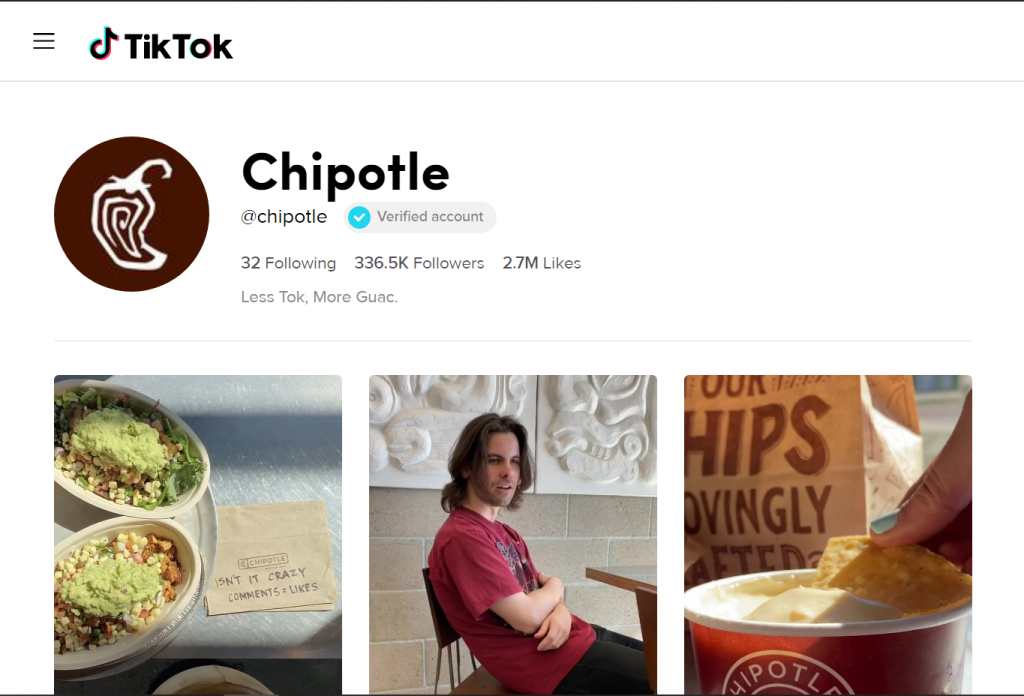
However its not as simple for the second group of stakeholders, the content creators are much more successful than the previously mentioned “Vine” and are able to be paid in a lot more ways, including but not limited to third party promotions and sponsorship. The viewers however is a group that is being manipulated by tiktok and even in some cases by the creators. Creators on the platform regularly link to their own websites, merch and even patreon pages to promote to their viewers that their income is not enough to keep making regular content on the app so the younger audiences which aside from just buying lilhuddy merch for fun, are pressured into keeping their favourite content creators alive. This leads to parents buying so called “coins” from in-app purchases which are used in tiktok to donate to content creators for monetary profits, however they are split among tiktok itself and the creators however so far the split ratio hasn’t been revealed.

So while people are expecting tiktok to follow the path of the infamous “vine” and be shutdown after a short but massive reign of the internet, statistics and the minds behind tiktok seem to differ, they have taken into tghe account of creators and make it much more possible for creators to profit off the app and they even have very specific business models in place which account for any brand or products promotion needs, without looking too pushy for the viewers, which make up a large portion of the apps demographics and without their support whether rational or irrational allow content creators to thrive. So try and think again, is time really running out for Tiktok?
Bibliography:
Byford, S., 2020. China Now Has The World’S Most Valuable Startup. [online] The Verge. Available at: https://www.theverge.com/2018/10/26/18026250/bytedance-china-tiktok-valuation-highest-toutiao [Accessed 16 March 2020].
Mohsin, M., 2020. 10 Tiktok Statistics That You Need To Know In 2020 [Infographic]. [online] Oberlo. Available at: https://au.oberlo.com/blog/tiktok-statistics [Accessed 16 March 2020].
Influencer Marketing Hub. 2020. Developing A Tiktok Marketing Strategy For Your Brand. [online] Available at: https://influencermarketinghub.com/tiktok-marketing-strategy/ [Accessed 16 March 2020].
Sommer, L., 2020. The Economics Of Tiktok. [online] StayHipp. Available at: https://stayhipp.com/media/tiktok/the-economics-of-tiktok/ [Accessed 16 March 2020].

 Year 11 MHS Economics 2020
very insightful param! ✨😃
LikeLike
amazing blog, very insightful
LikeLike
Interesting blog, gave me more knowledge about the TikTok industry, gouma gouma.
LikeLiked by 1 person
Tik tok, tik tok, time consumes everything O.o. I don’t doubt that it’ll last longer than vine though, With all the points you’ve brought up, it seems that many people are profiting from the business, which means we won’t see it leave the scene for while.
LikeLike